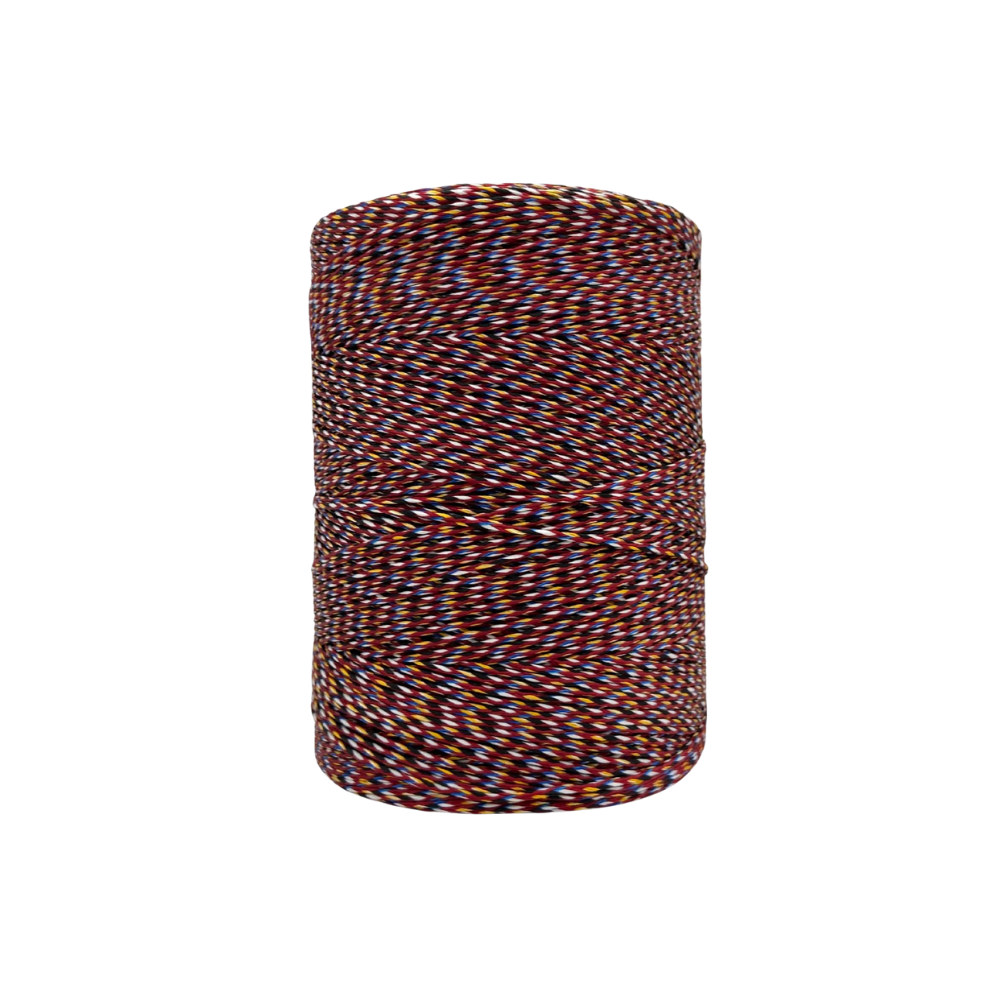
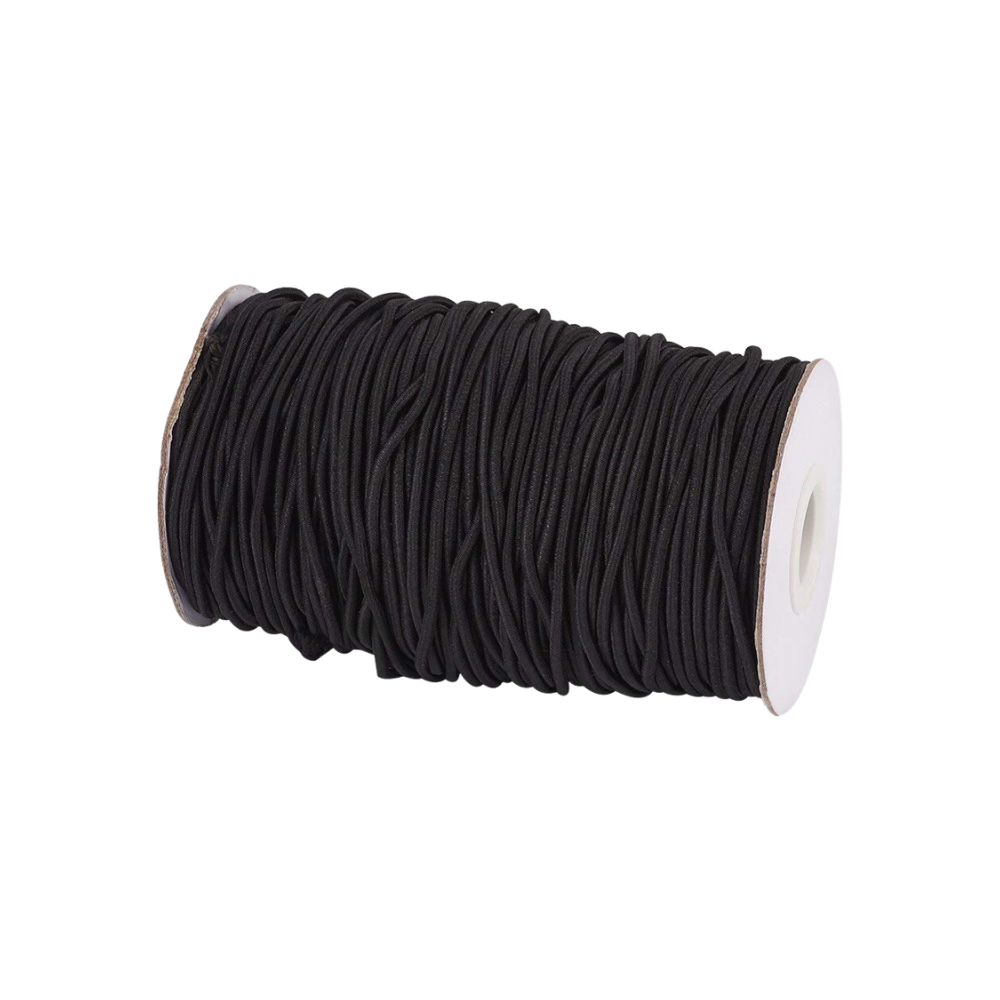
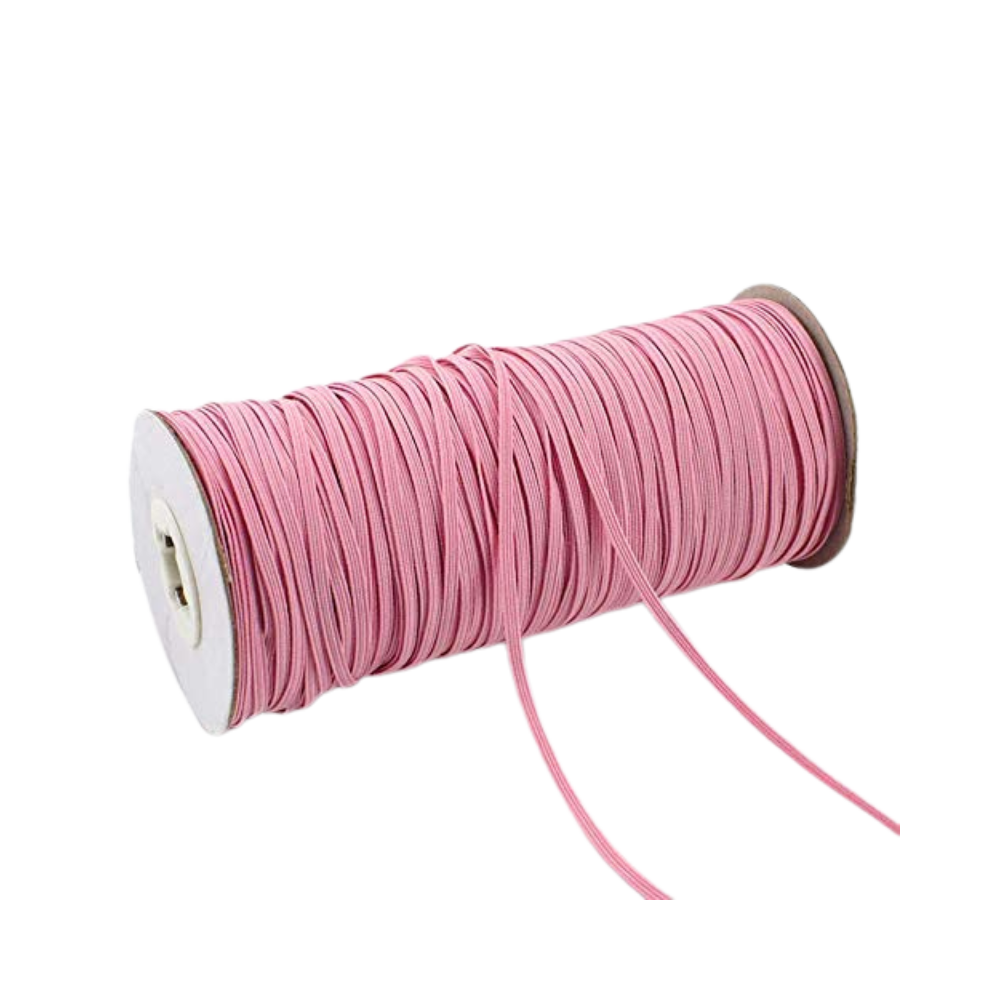
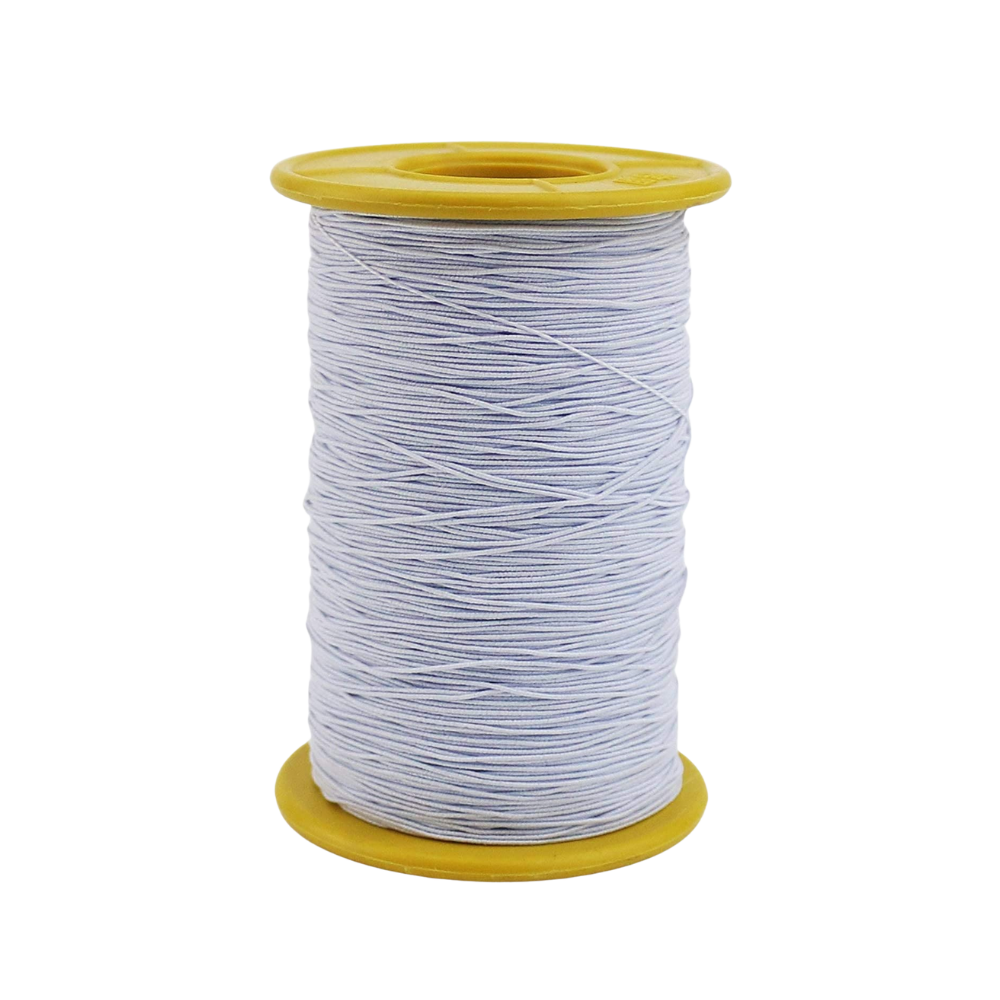
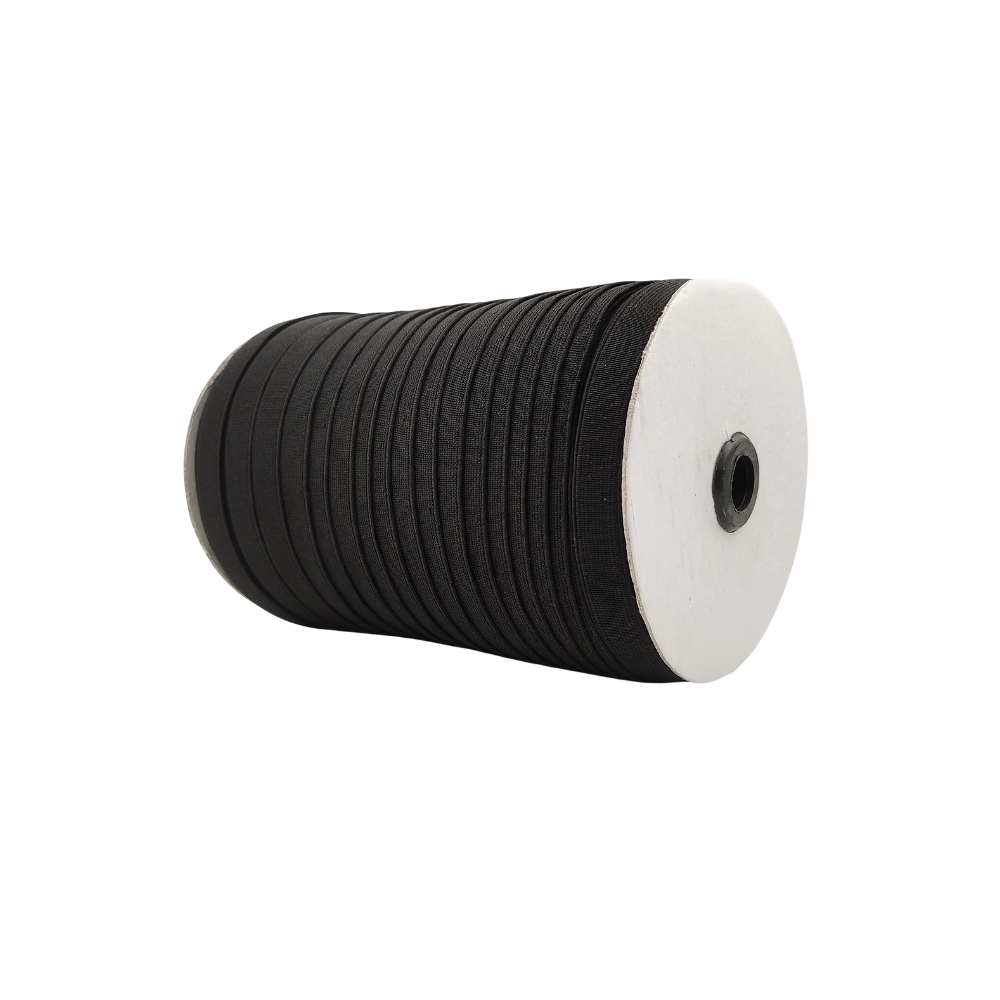
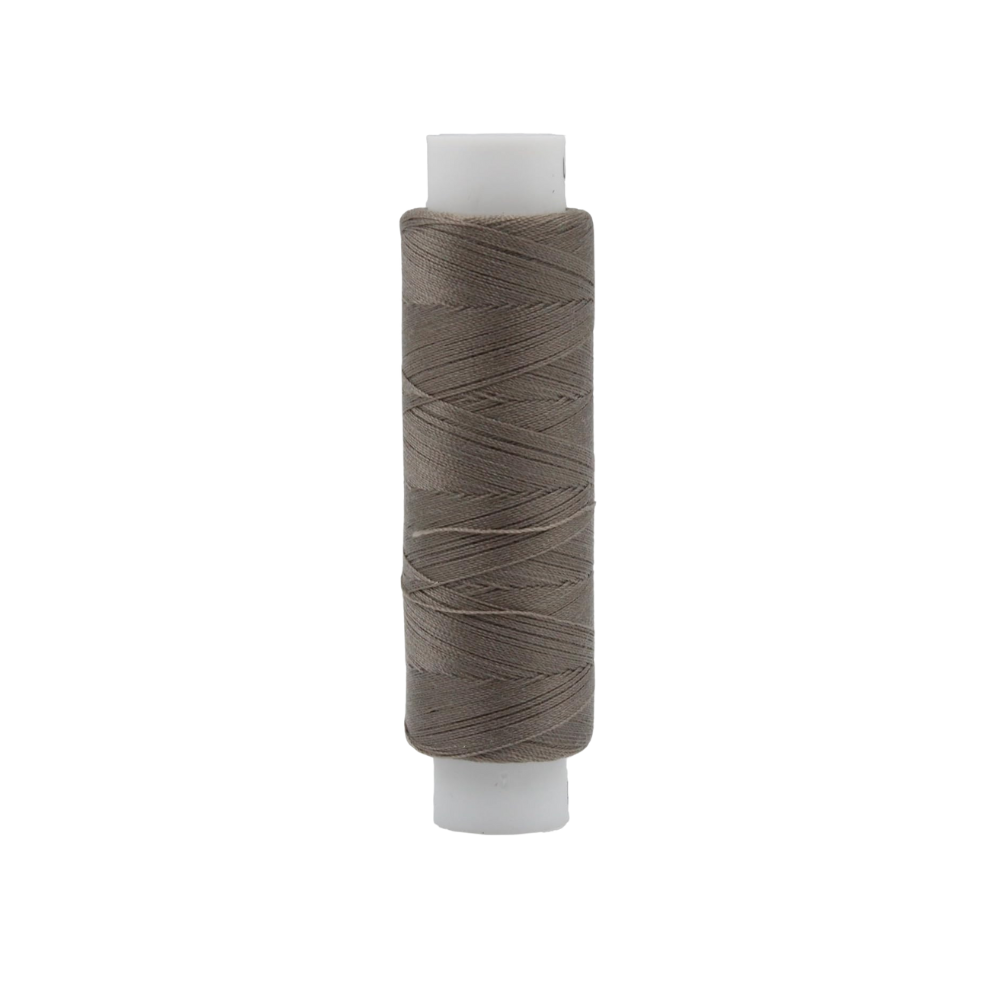
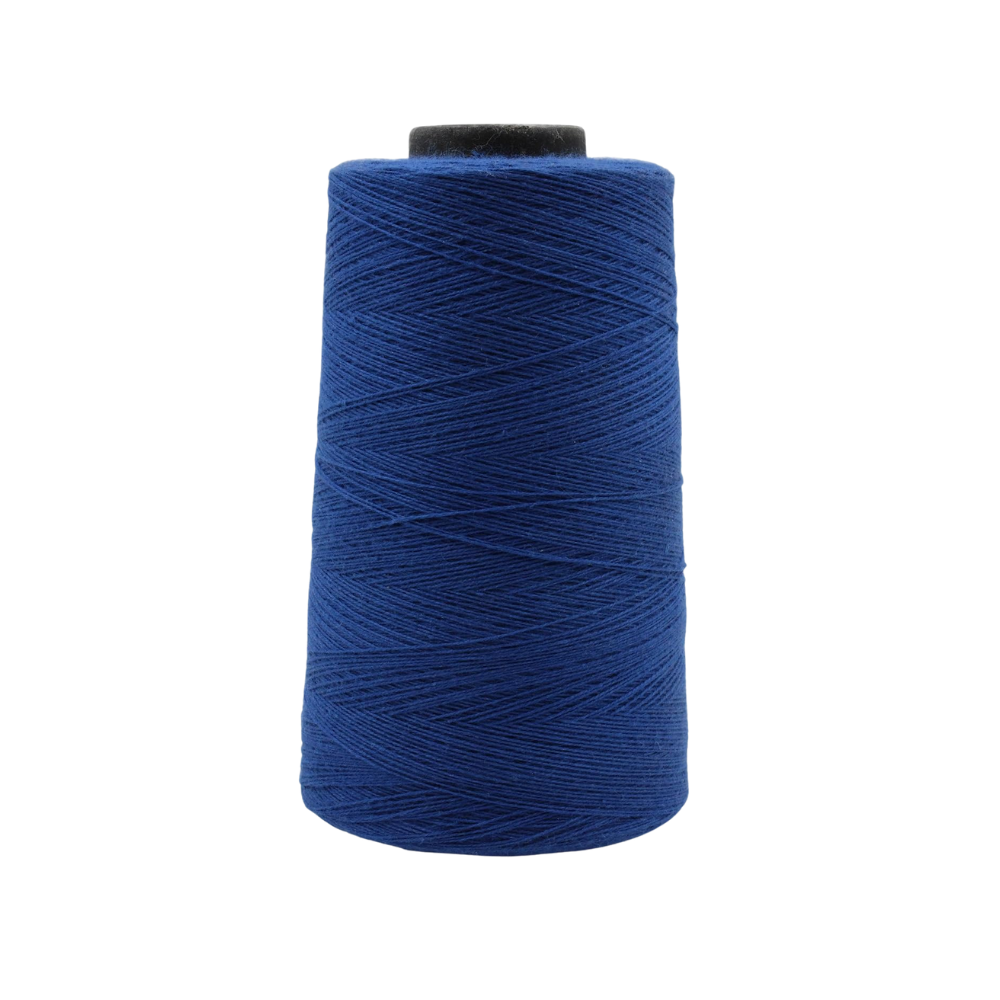
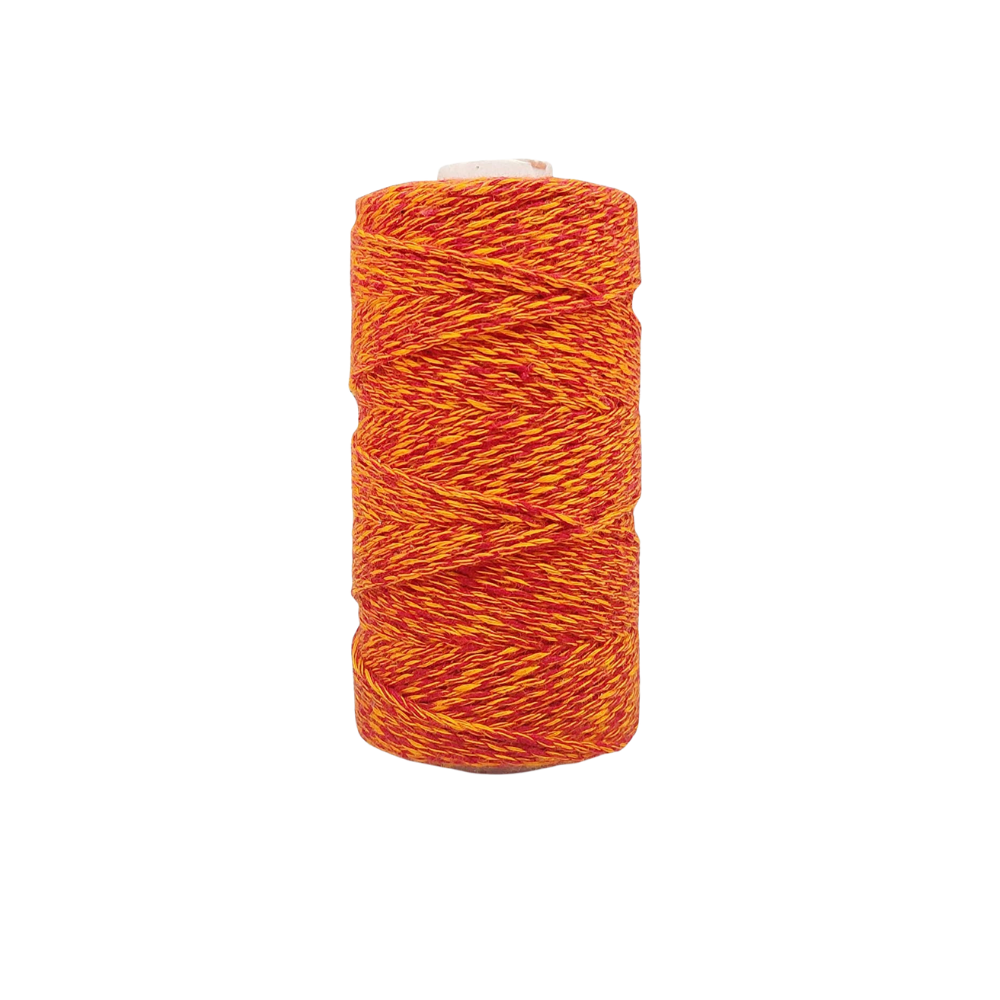
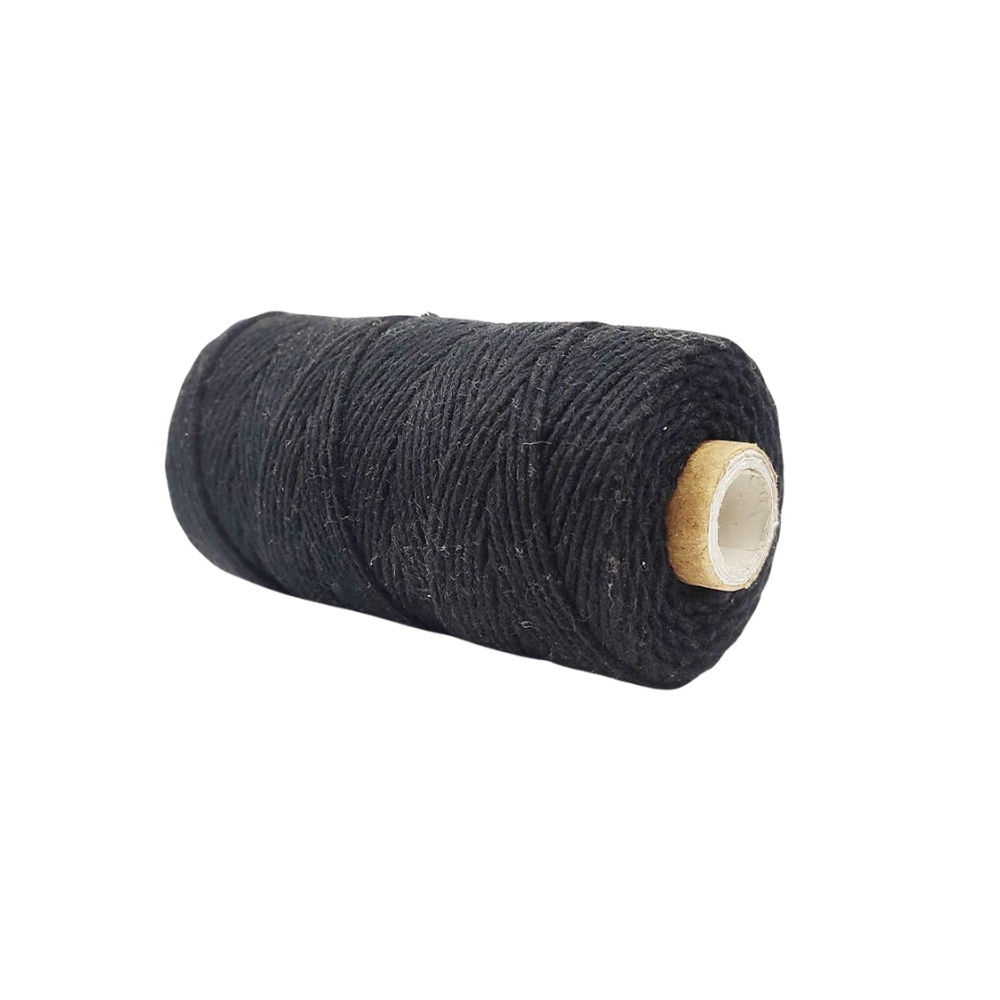
Types of Macrame Cords: Twisted, Braided and Single Strand Cords
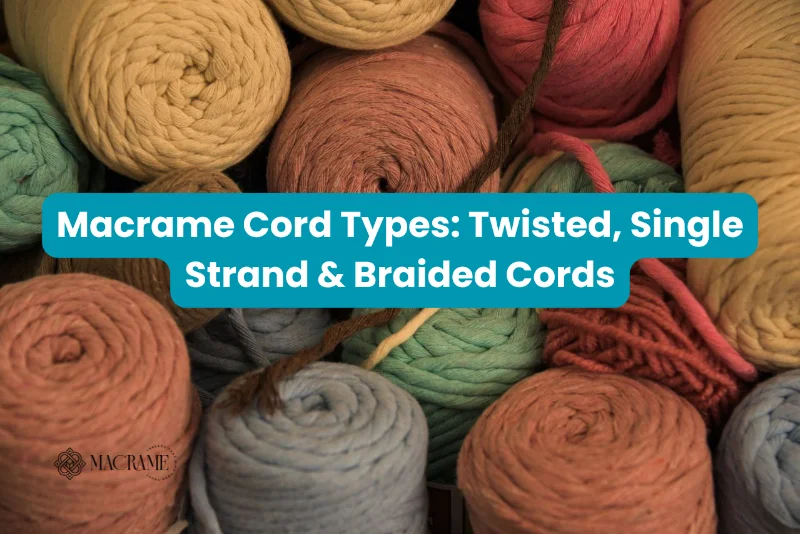
You've found a macrame project you want to try. You head online to buy a cord, and suddenly there are a dozen options staring back at you. Twisted cord, single strand cord, braided macrame cords, multi-ply cords and more. Same price range. Same cotton material. Same color options. So what's actually different?
Quite a lot, honestly. Pick the wrong cord and your fringe won't brush out, your plant hanger sags under the weight, or your knots look fuzzy instead of clean. This guide walks you through what each macrame cord type really is, how it feels to work with, and when to use which one.
Quick Answer
Single strand cord: Softest, easiest to brush into fringe, best for wall hangings and decorative pieces.
Twisted macrame cord (3-ply): Structured and textured. Great for plant hangers and anything with a rustic look.
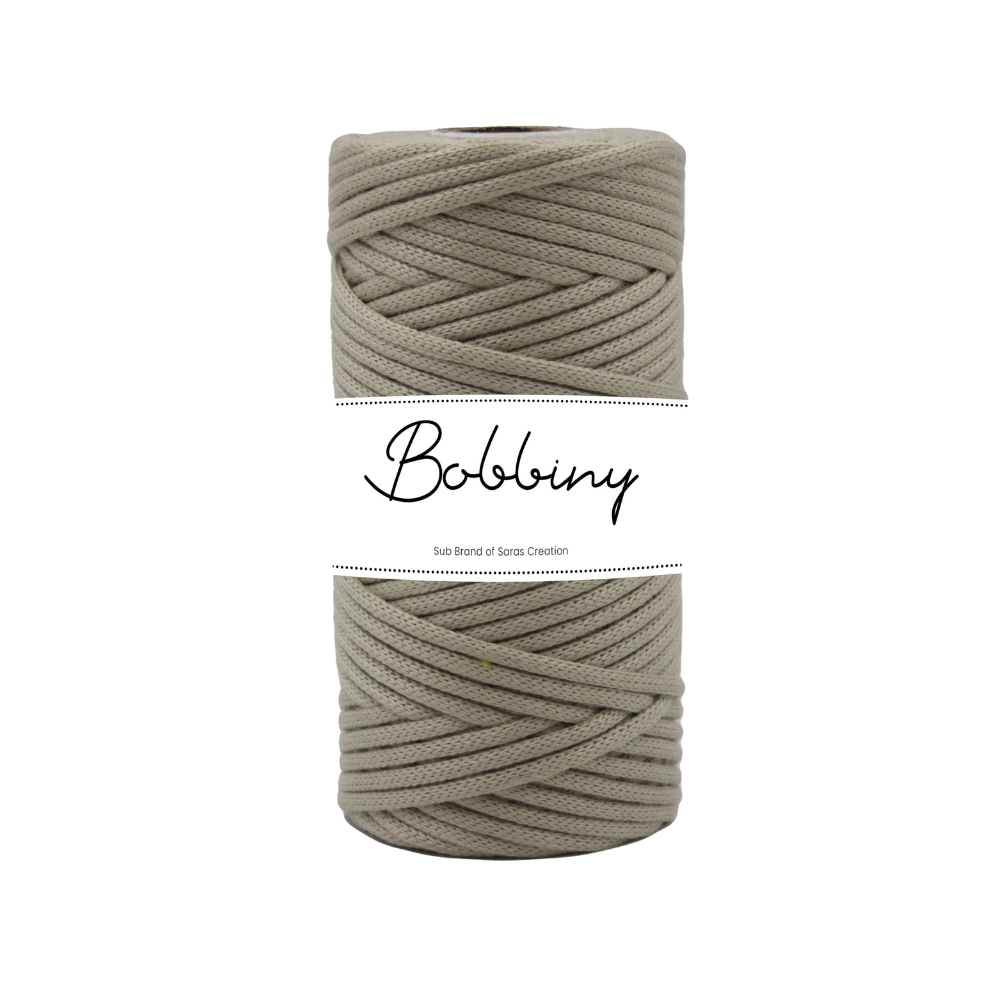
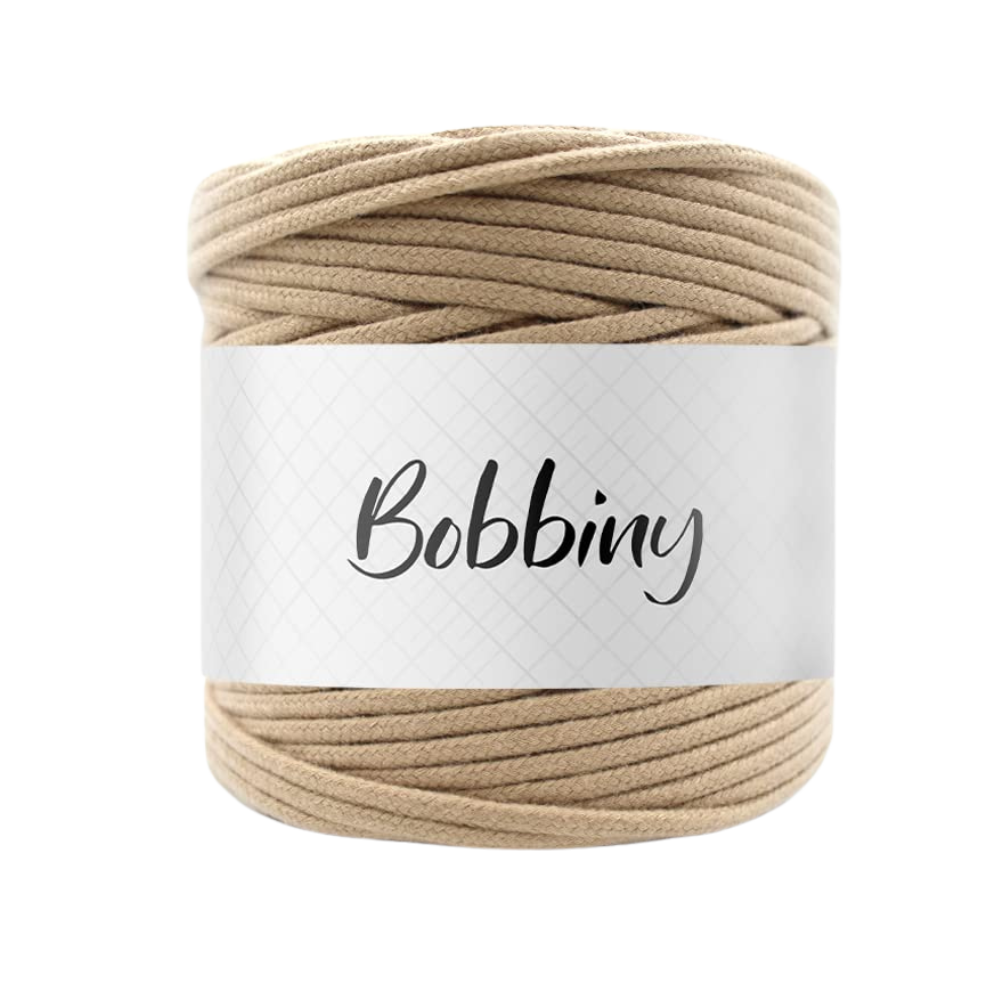
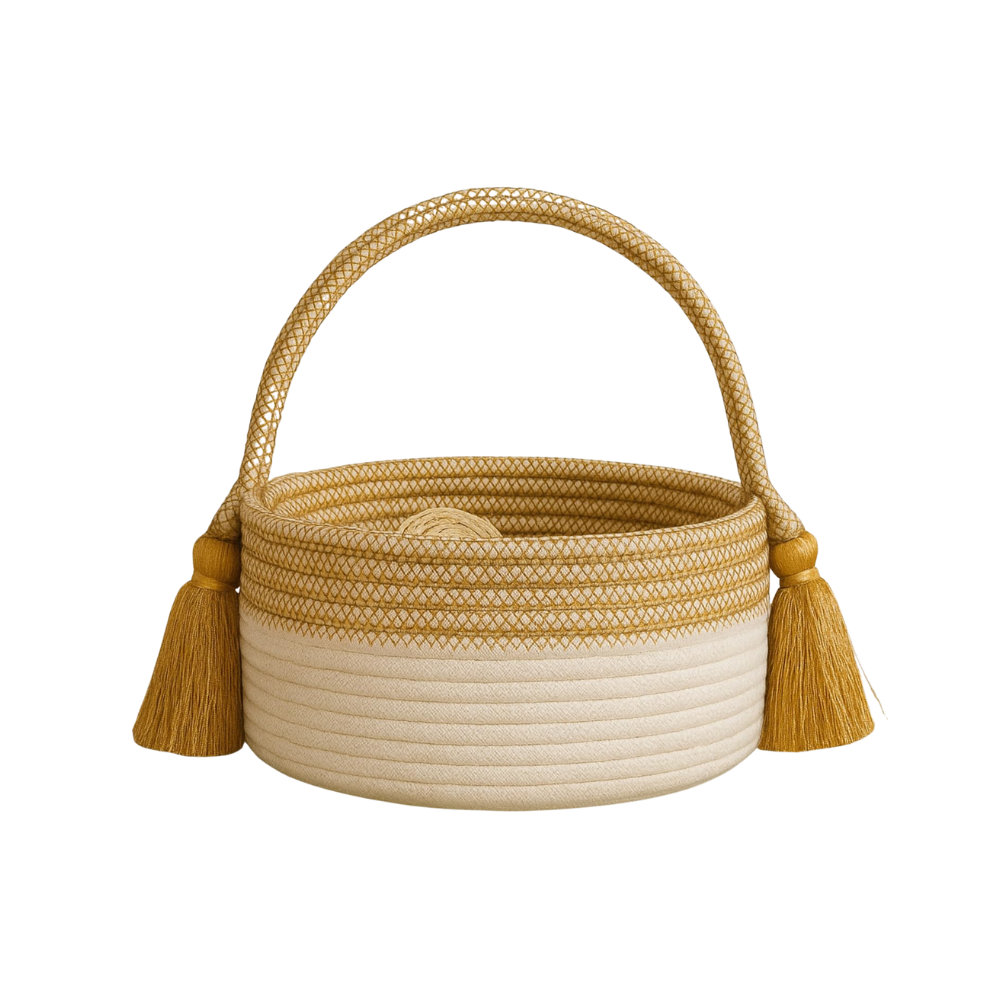
Braided cord: The strongest of the three, best for bags, baskets, and projects that carry weight.
When in doubt, start with 3mm or 4mm single strand cotton cord
Cord thickness matters just as much as cord type, and sizes range from 1mm all the way to 10mm
Why Cord Type Matters More Than You Think
Most beginner macrame mistakes and frustrations are blamed on knotting technique when the real issue is often the cord itself.
A common example: someone buys braided cord for a macrame wall hanging because it looks neat in the product photos. The macrame knots turn out fine, but when they try to brush out the fringe at the bottom, nothing happens. The cord was never designed to fringe.
The opposite happens too. A maker chooses soft single strand cord for a large macrame plant hanger, then wonders why the hanger stretches slightly and loses definition after a few months.
After supplying macrame cord to hundreds of thousands of crafters, we've noticed a pattern. Most disappointing projects don't fail because of bad knotting. They fail because the cord type didn't match the project.
That's why choosing between single strand, twisted, and braided cord is important before you tie the first knot.
Single Strand Macrame Cord: Soft & Easy to Use

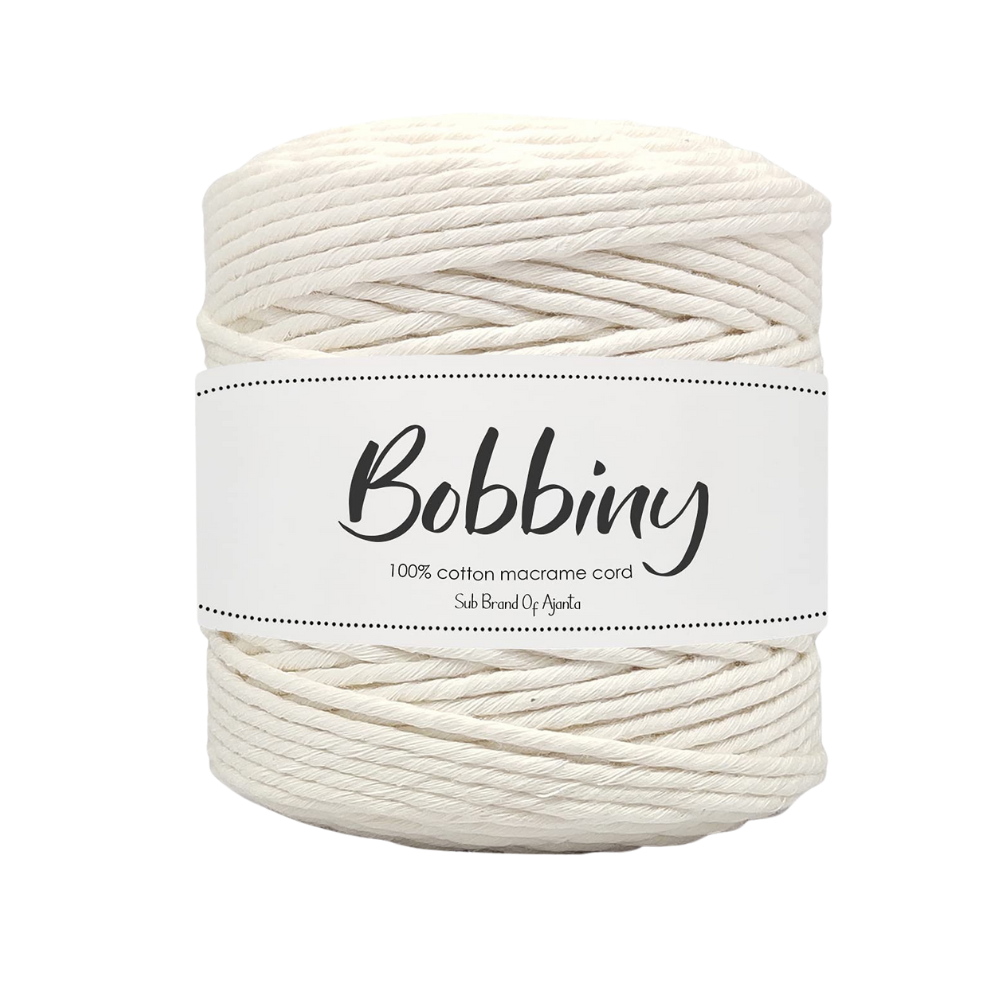
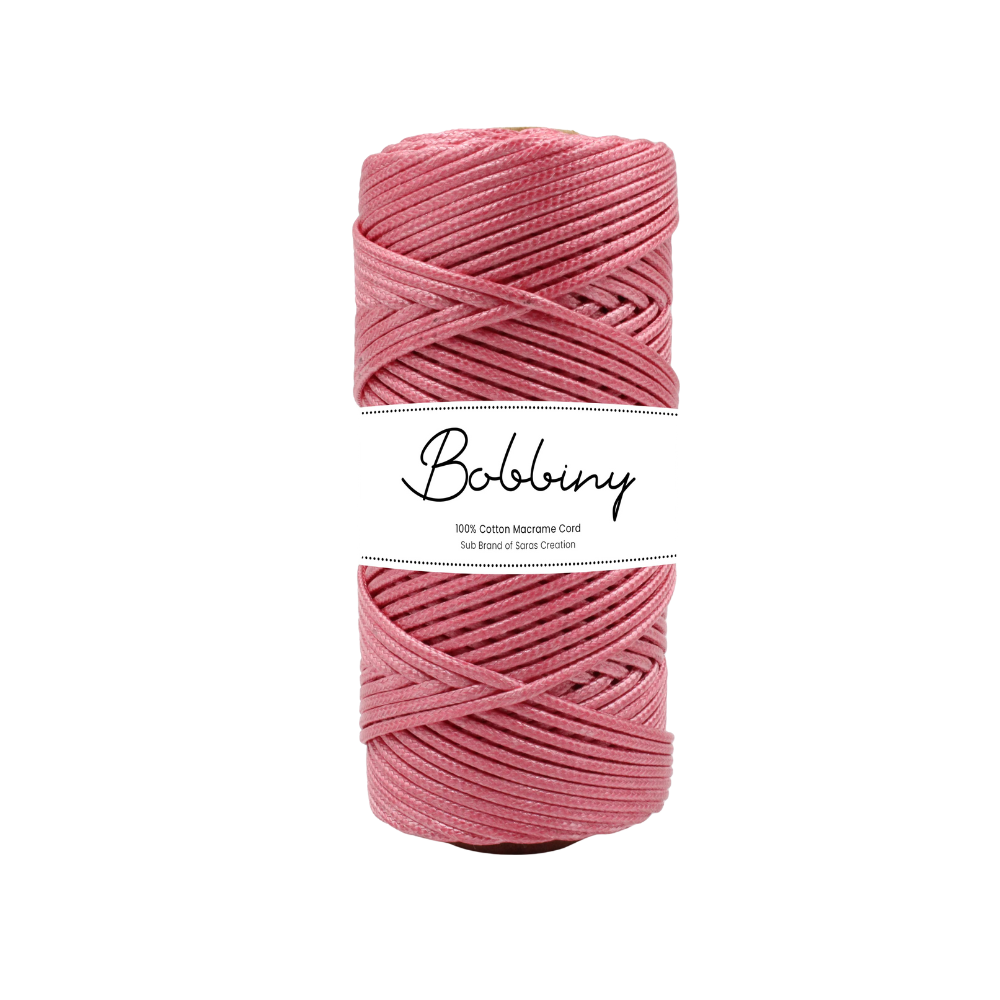
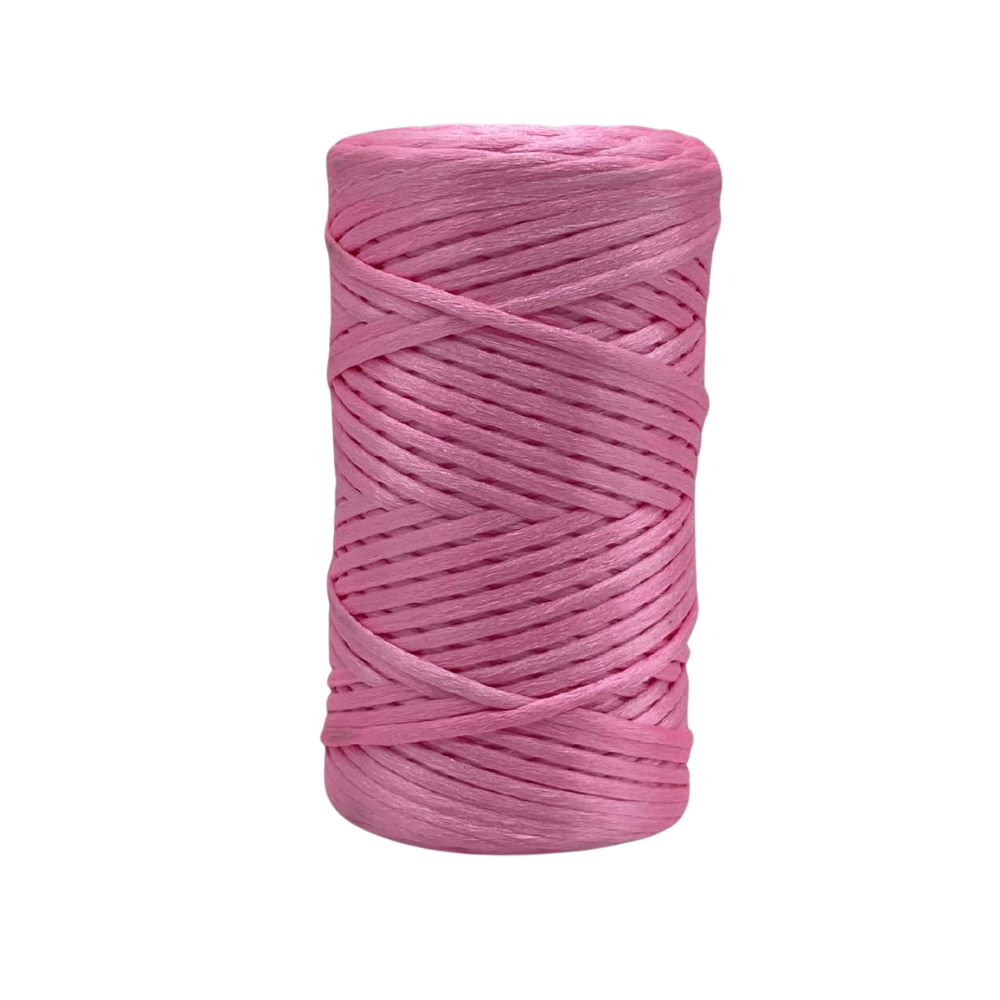
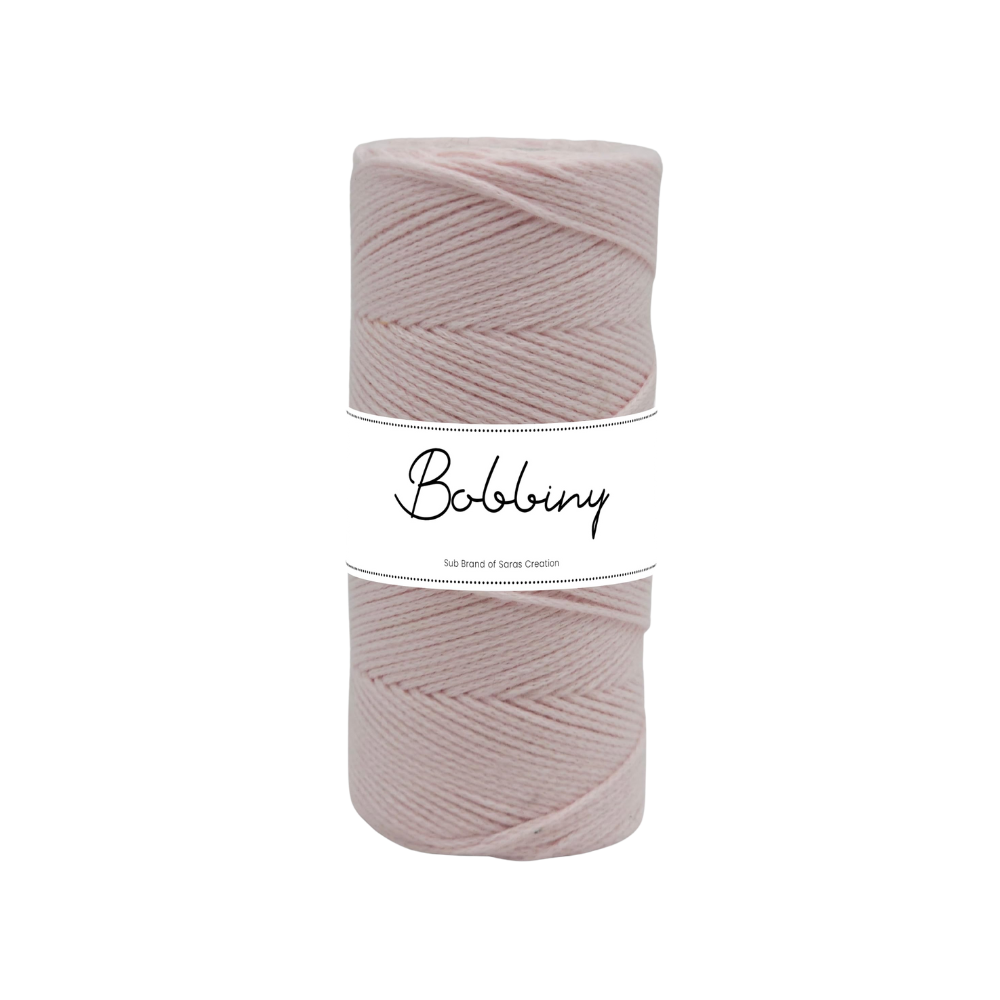
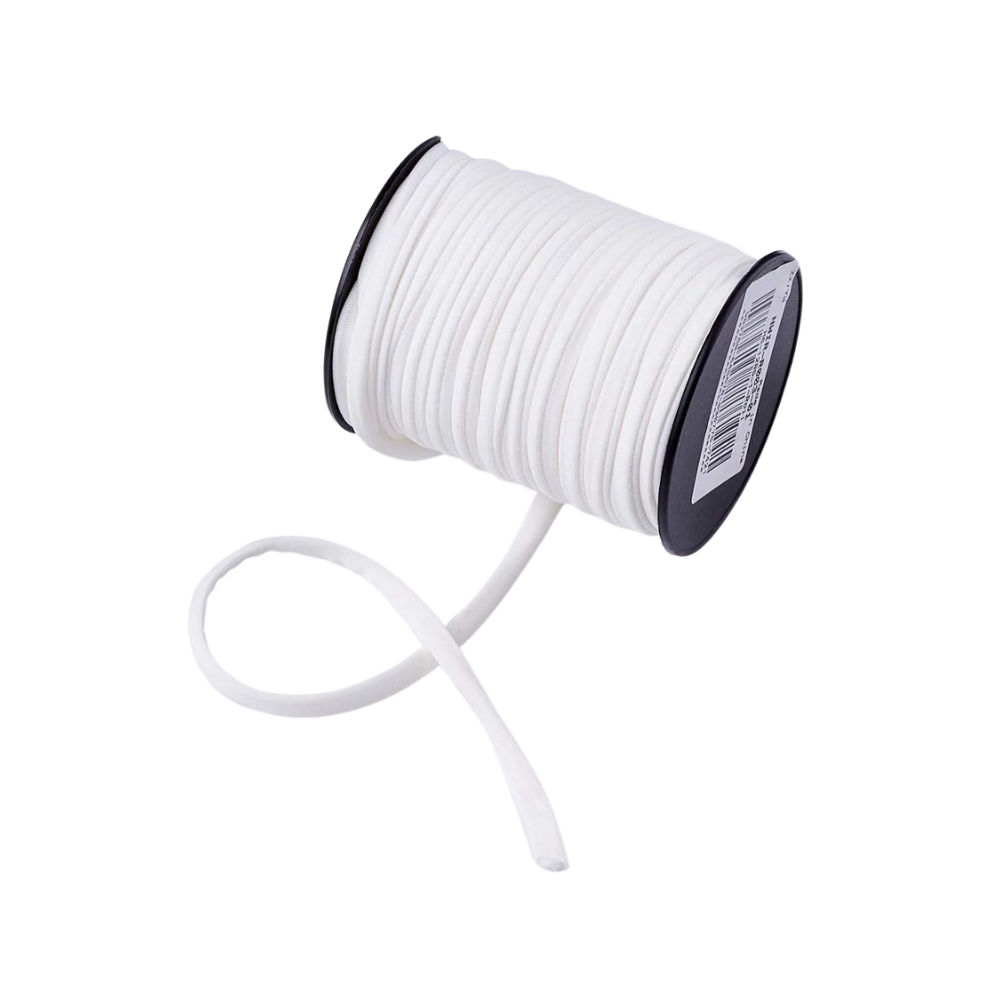
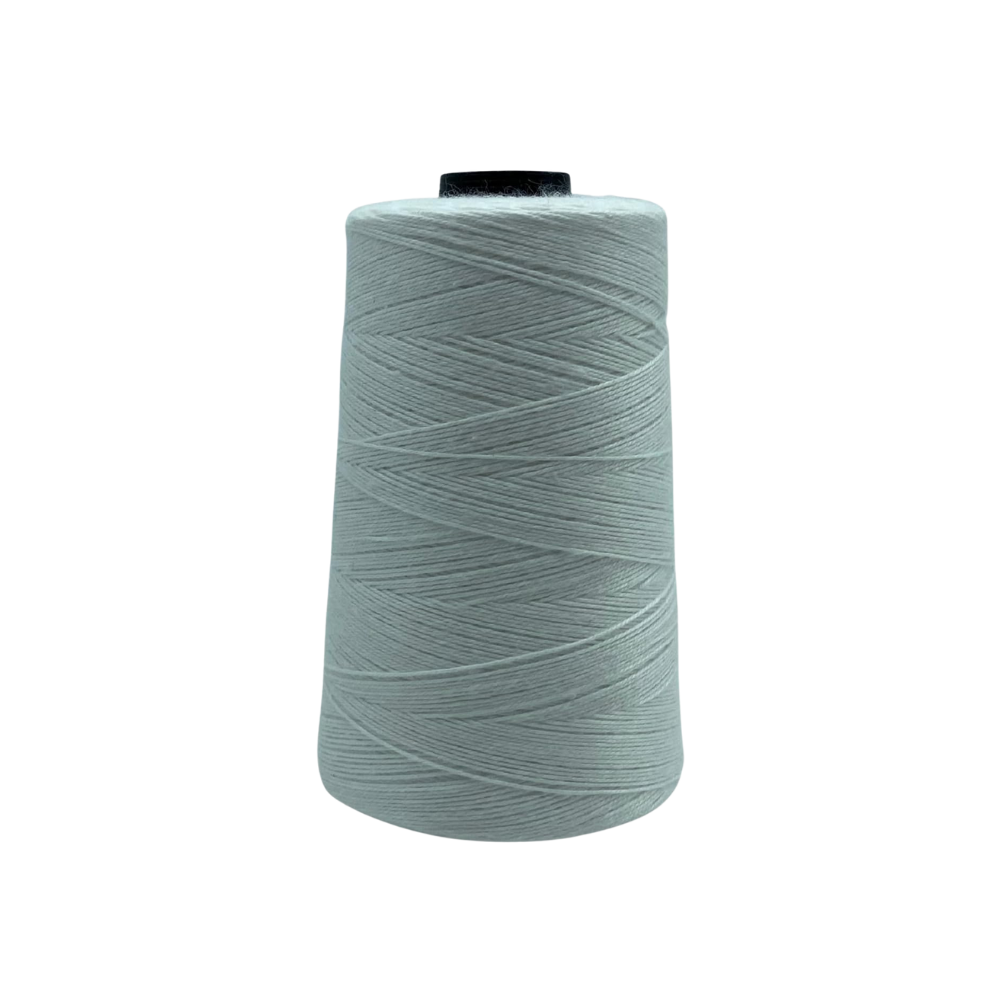
Single-strand cord is exactly what the name says: many fine cotton fibers loosely twisted together into one continuous macrame rope, with no inner braiding or plying. It's the most-used cord type in macrame, and once you work with it, you will understand why.
The big thing people love about single strand cord is the fringe. Because the fibers aren't packed tightly, you can run a fine-tooth comb through the end and it blooms into a soft, fluffy cloud in seconds. That's the look you see on most boho wall hangings and dreamcatchers. No other cord type gives you that so easily.
It's also very kind to your hands. Single strand cords have enough give that tying knots doesn't feel like a workout. Square knots, half hitches, lark's head knots. They all sit cleanly without needing much force. If you are new to macrame, starting here is the right call.
The one thing you need to know upfront: it frays when you cut it. Tape the ends or dip them briefly in fray-stop liquid before you begin. It's a two-minute step and saves a lot of frustration later. Also, because the structure is loose and soft, single strand cord isn't built to hold heavy weight. Don't use it for a macrame plant hanger carrying a large, heavy pot.
Best uses for single strand macrame cord
Wall hangings and tapestries
Dreamcatchers and feather designs
Boho curtains and room dividers
Mirror frames with soft fringe borders
Jewelry and delicate accessories (1mm to 2mm thickness works well here)
Sizes available: 1mm to 5mm covers most decorative work. At Macrame.co.in, single strand cotton cords are available across multiple thicknesses, so you can go fine for jewelry or thicker for large wall pieces.
The Biggest Mistake Beginners Make With Single Strand Cord
Many beginners assume single strand cotton cord is the best option for every project because it's the easiest to work with.
For decorative pieces, that's often true.
For structural projects, it isn't.
Large plant hangers, hanging shelves, and heavily loaded pieces usually benefit from twisted or braided cord because they maintain shape better over time. Single strand cord shines when softness, fringe, and appearance matter more than load-bearing strength.
A good rule: If the project spends its life hanging on a wall, single strand cord is usually a safe choice. If it's carrying weight, look at twisted or braided options first.
3- Ply Twisted Macrame Cord: The One That Holds Up

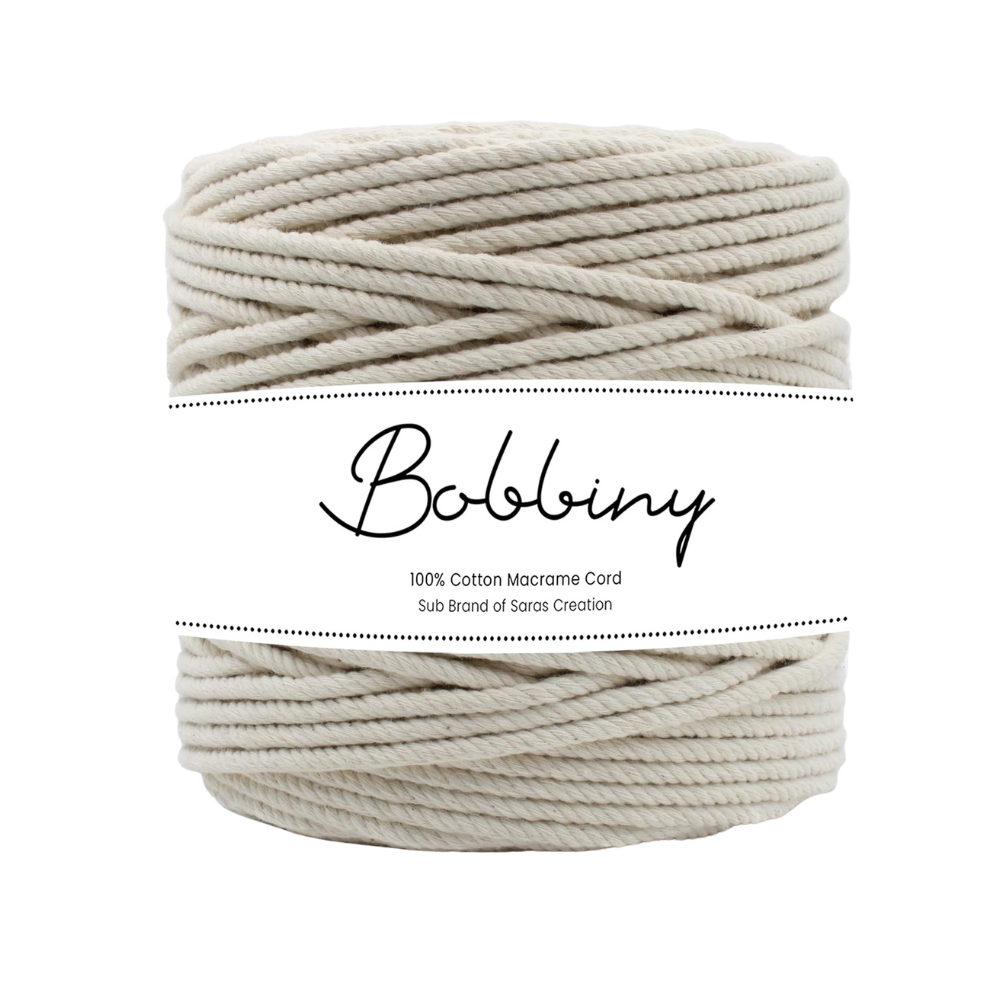
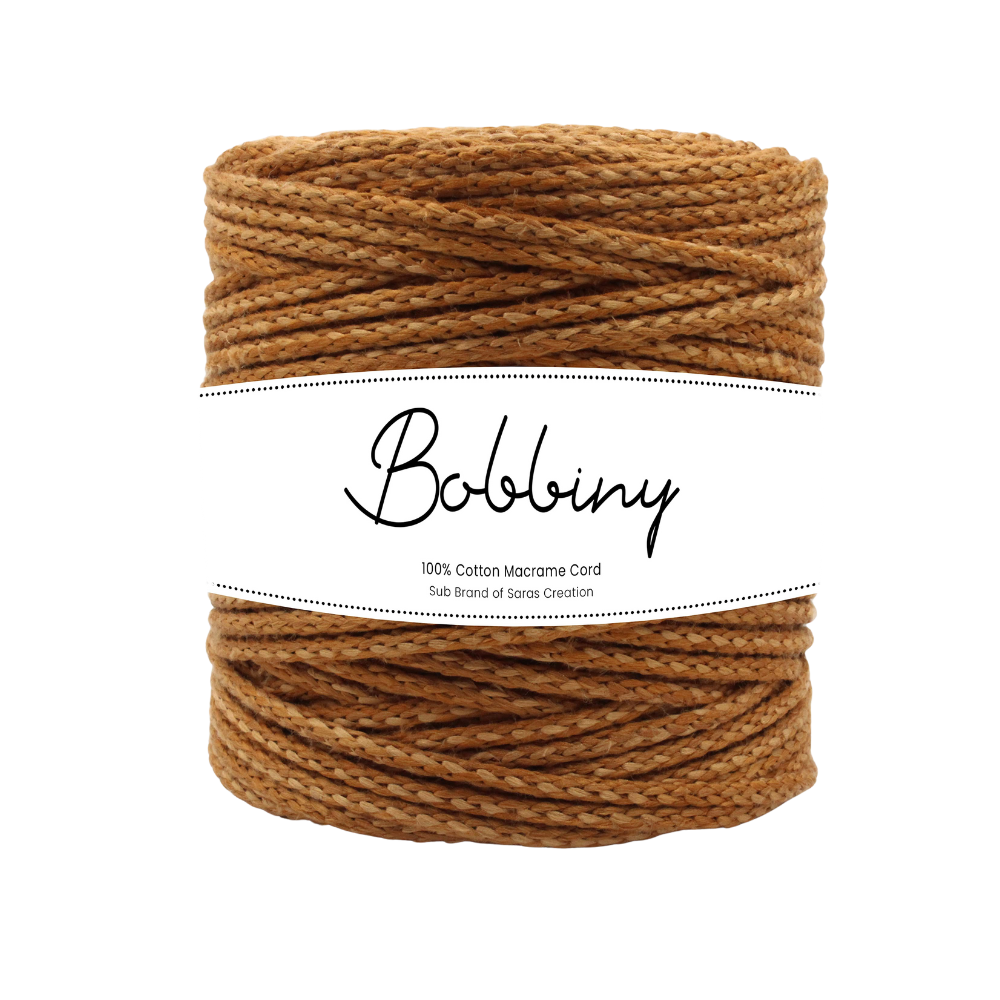
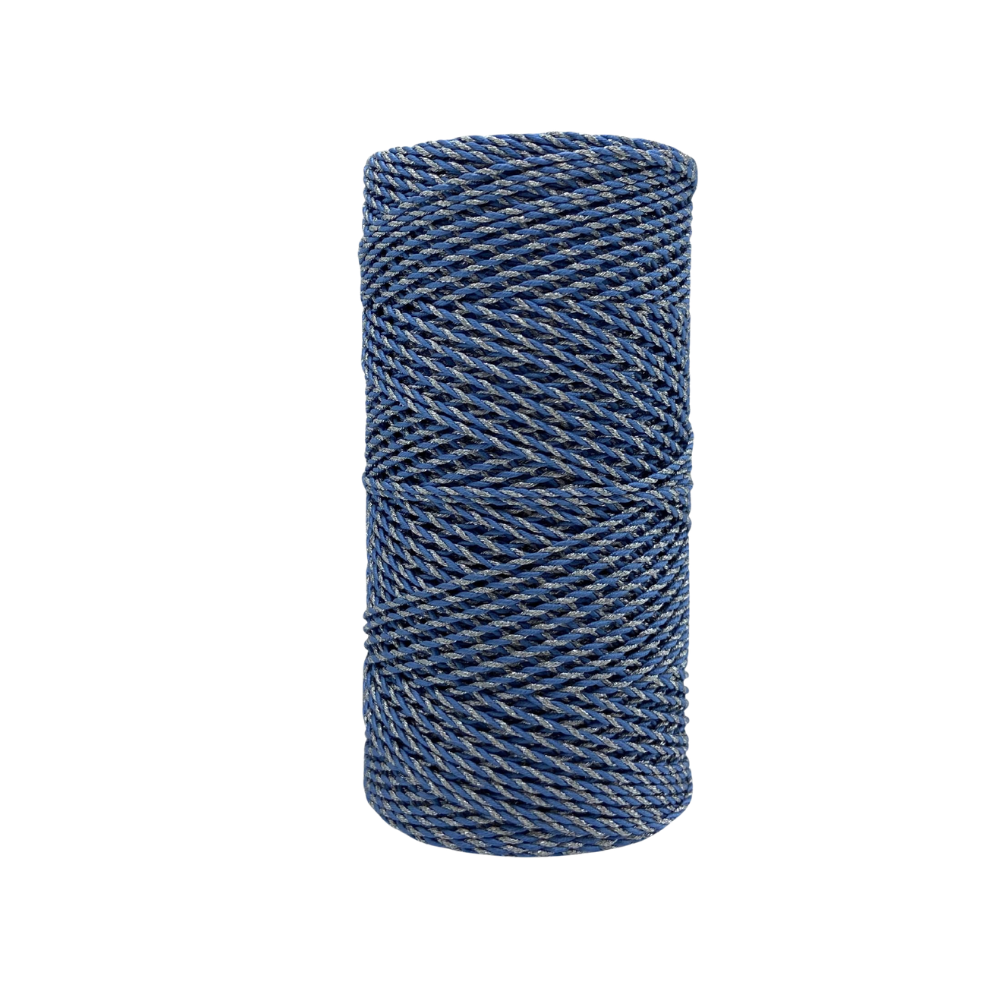
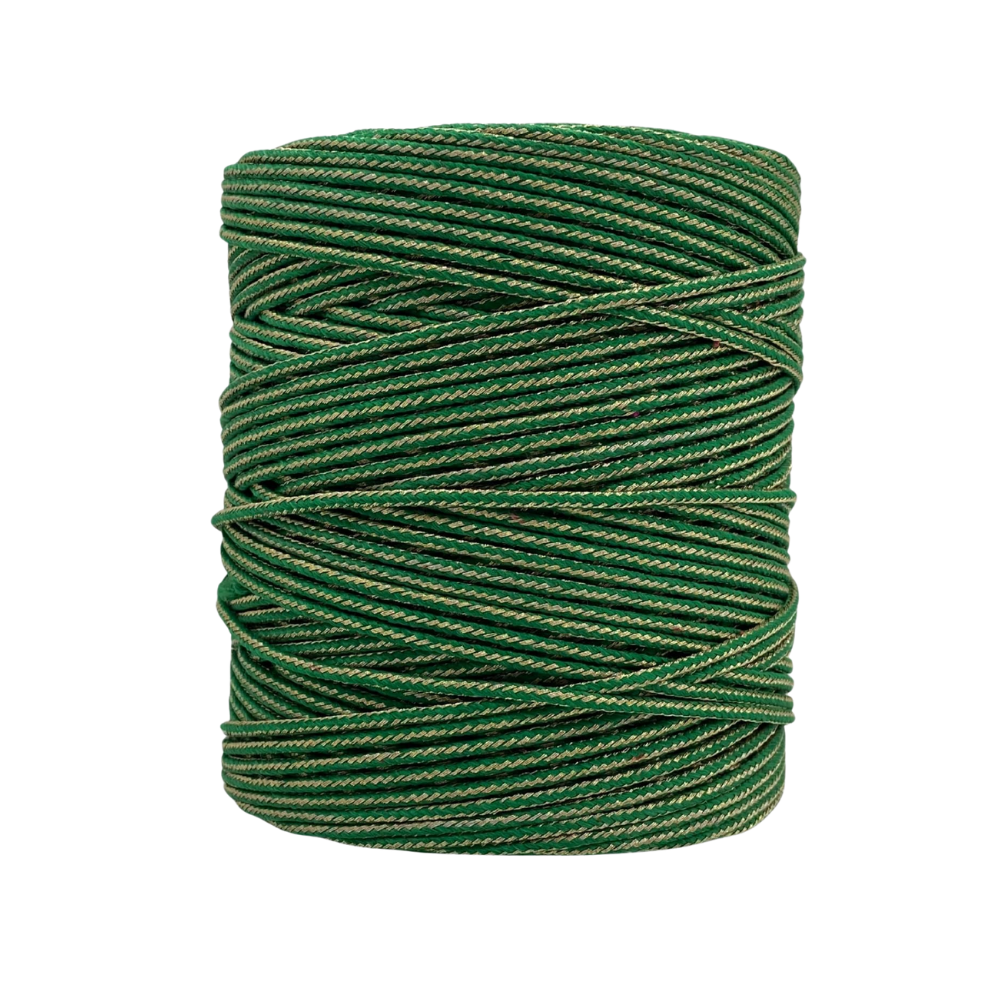
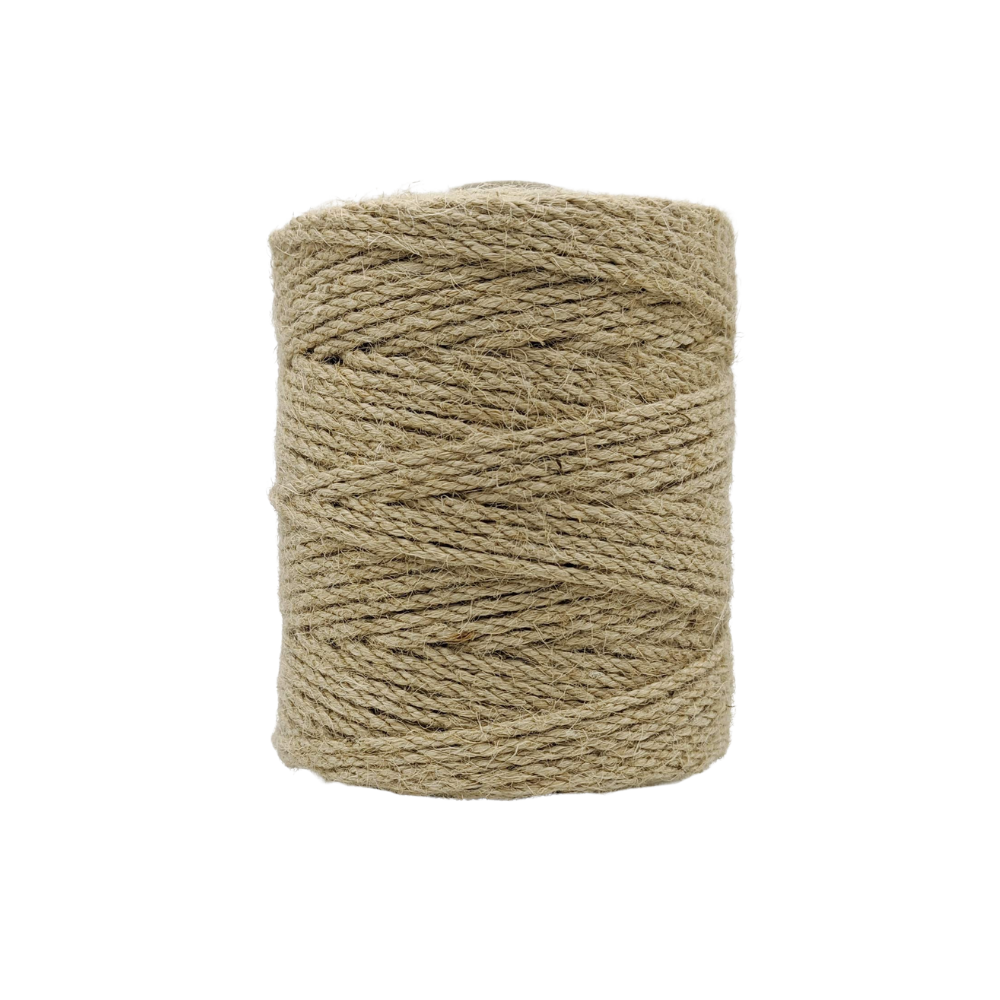
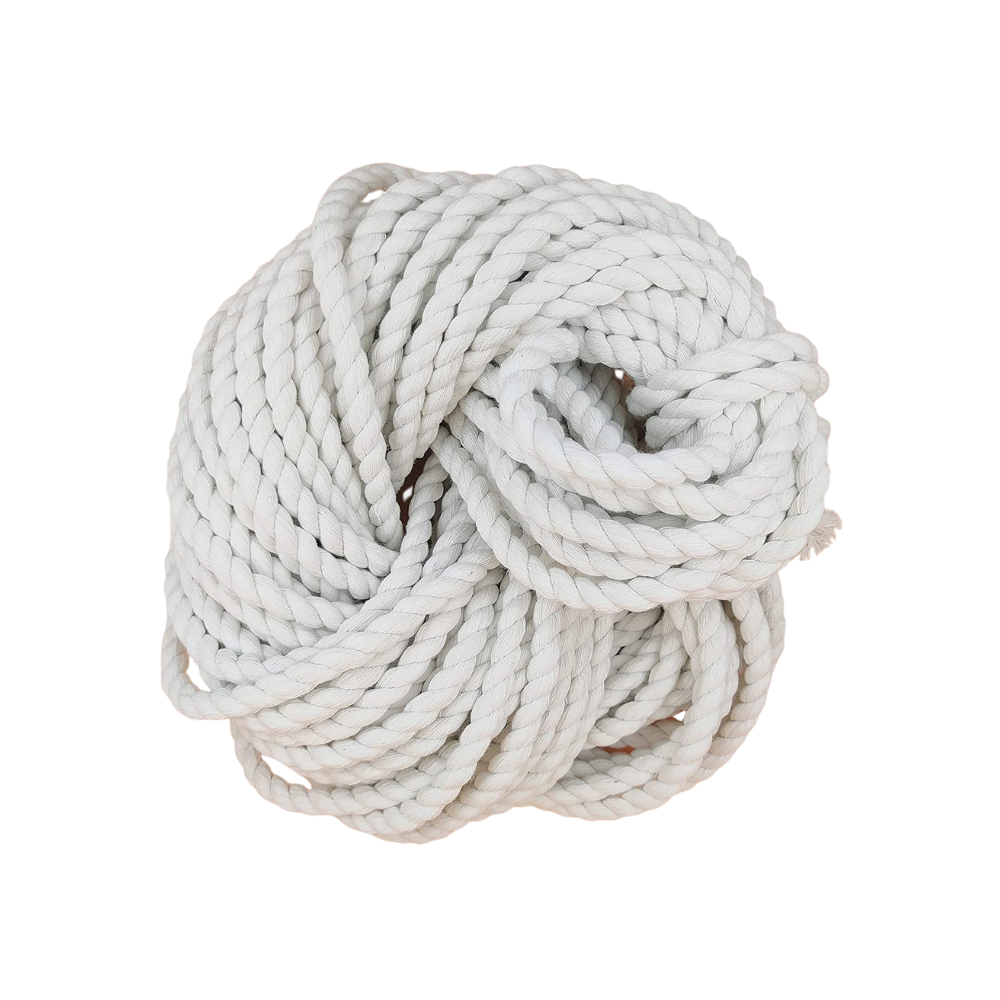
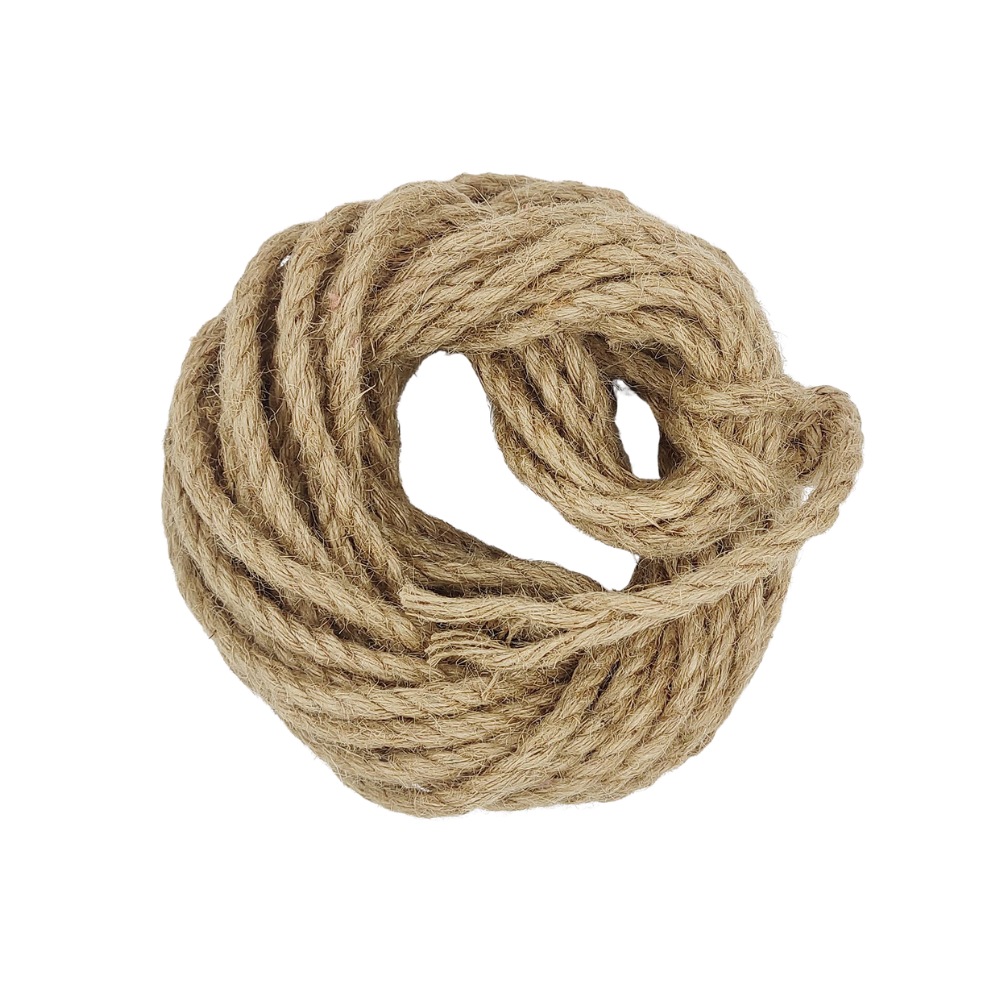
Twisted cord is built by taking multiple single strand ropes and winding them tightly around each other. The most common version is 3-ply twisted cords, where three individual strands twist together into one thicker cord.
That winding adds strength. Twisted macrame cord handles tension without collapsing, holds its shape under weight, and keeps its structure even in projects that see a lot of pulling and stress. That's why most experienced crafters use 3-ply twisted cord for macrame plant hangers. The macrame knots stay defined, the cord doesn't stretch out, and it holds even a reasonably heavy pot without any concern.
You also get a very distinct texture with twisted cord. The visible spiral gives finished pieces a handcrafted, earthy quality that single strand and braided cords don't quite replicate. If you're going for vintage or rustic, this is the cord that gets you there.
One thing to know before you commit: the fringe behaves differently here. When you unravel the ends of twisted cord, each strand has a natural wave to it from all that winding. Some people absolutely love that wavy, textured look. Others want straight, silky fringe and find it maddening to flatten. Honestly, know which one you want before choosing your cord. It'll save you a lot of time at the finishing stage.
Best uses for twisted macrame cord
Plant hangers, especially for pots with some weight to them
Hanging lamps and pendants
Wall hangings where you want visible texture and well-defined knots
Rustic and vintage-style home decor
Table runners with fringed edges
Sizes available: 3mm, 4mm, and 5mm cover most home decor applications. For large sculptural pieces, 6mm and 8mm twisted cords give you that bold, chunky look.
Why 3-Ply Twisted Cord Is Often the Most Popular Choice
If you could only keep one cord type in your craft room, 3-ply twisted macrame cord would probably be the most versatile.
It sits between the softness of single strand and the strength of braided cord.
That's why it tends to become the default choice for plant hangers, wall decor, seasonal crafts, and general-purpose macrame projects. You get visible texture, good knot definition, and enough structure for most everyday projects without moving into the stiffness of braided cord.
Many crafters eventually build their collection around 3 ply twisted cord because it works well across the widest range of project types.
Braided Macrame Cord: When You Need Something That Lasts

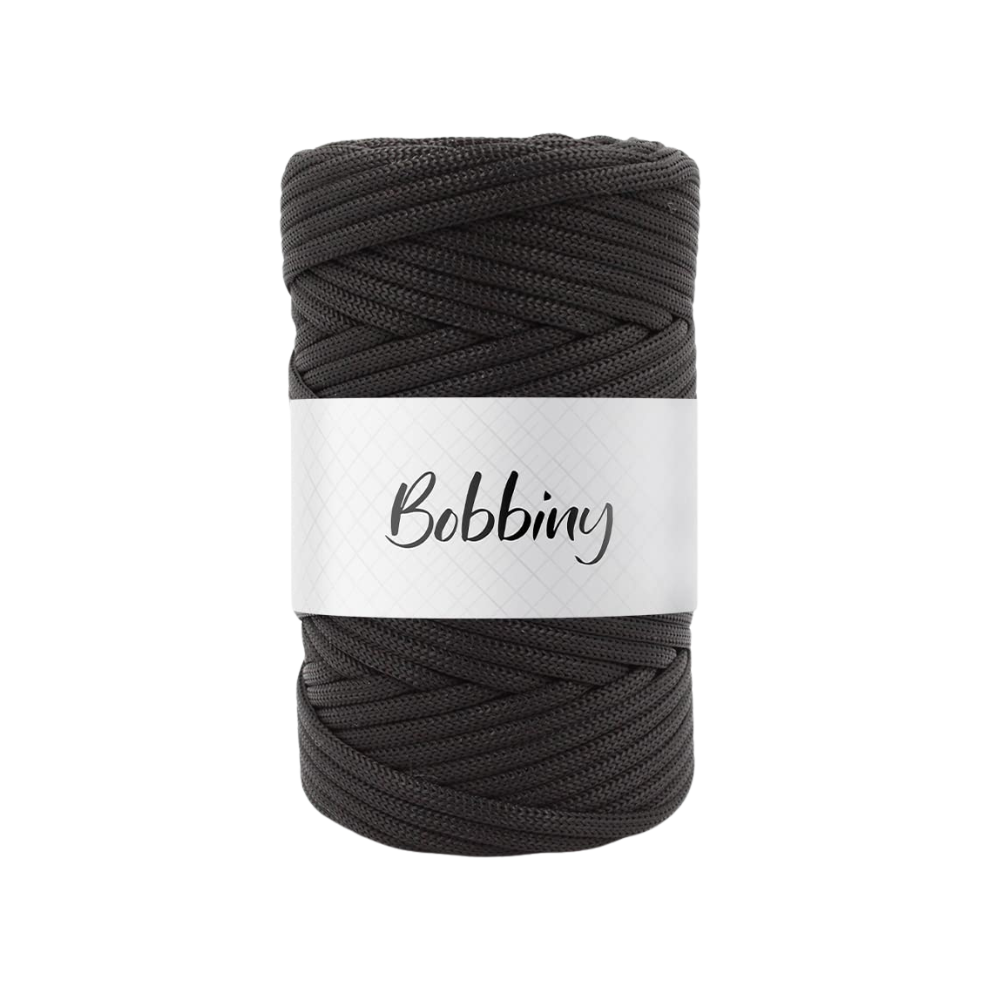
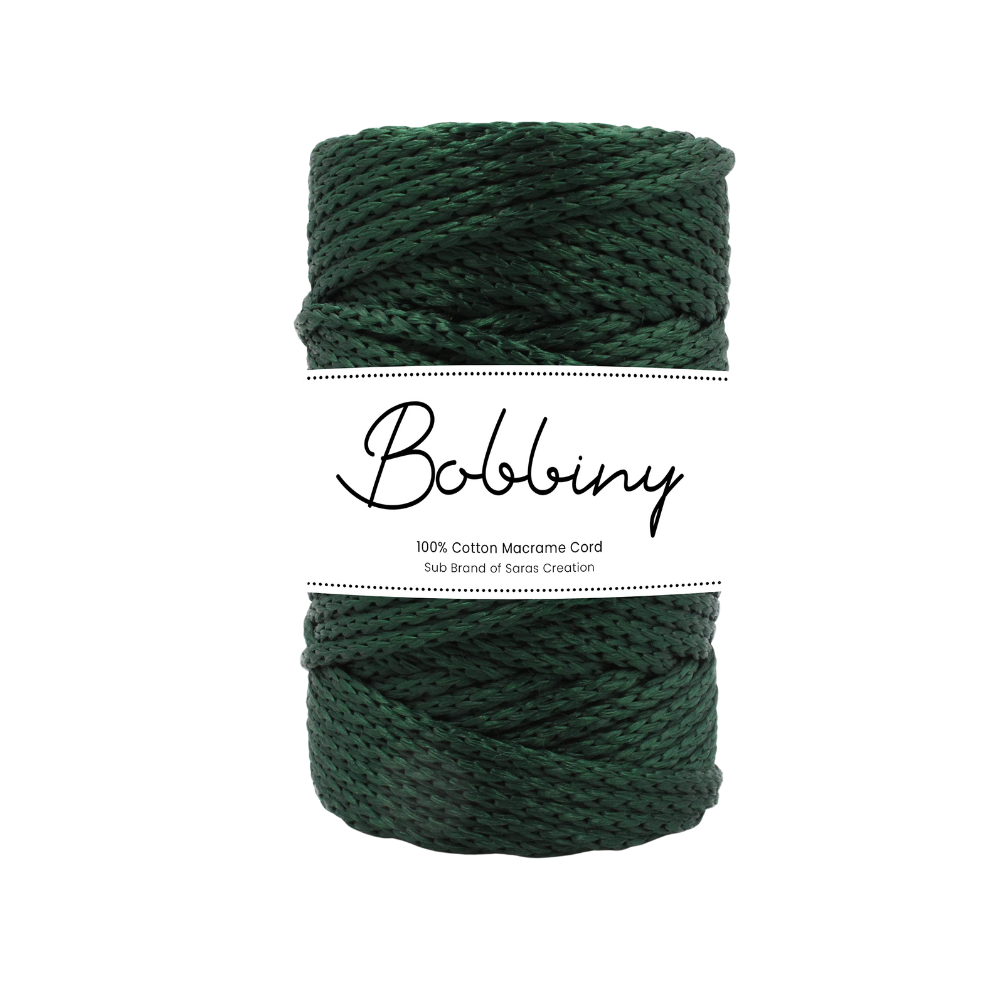
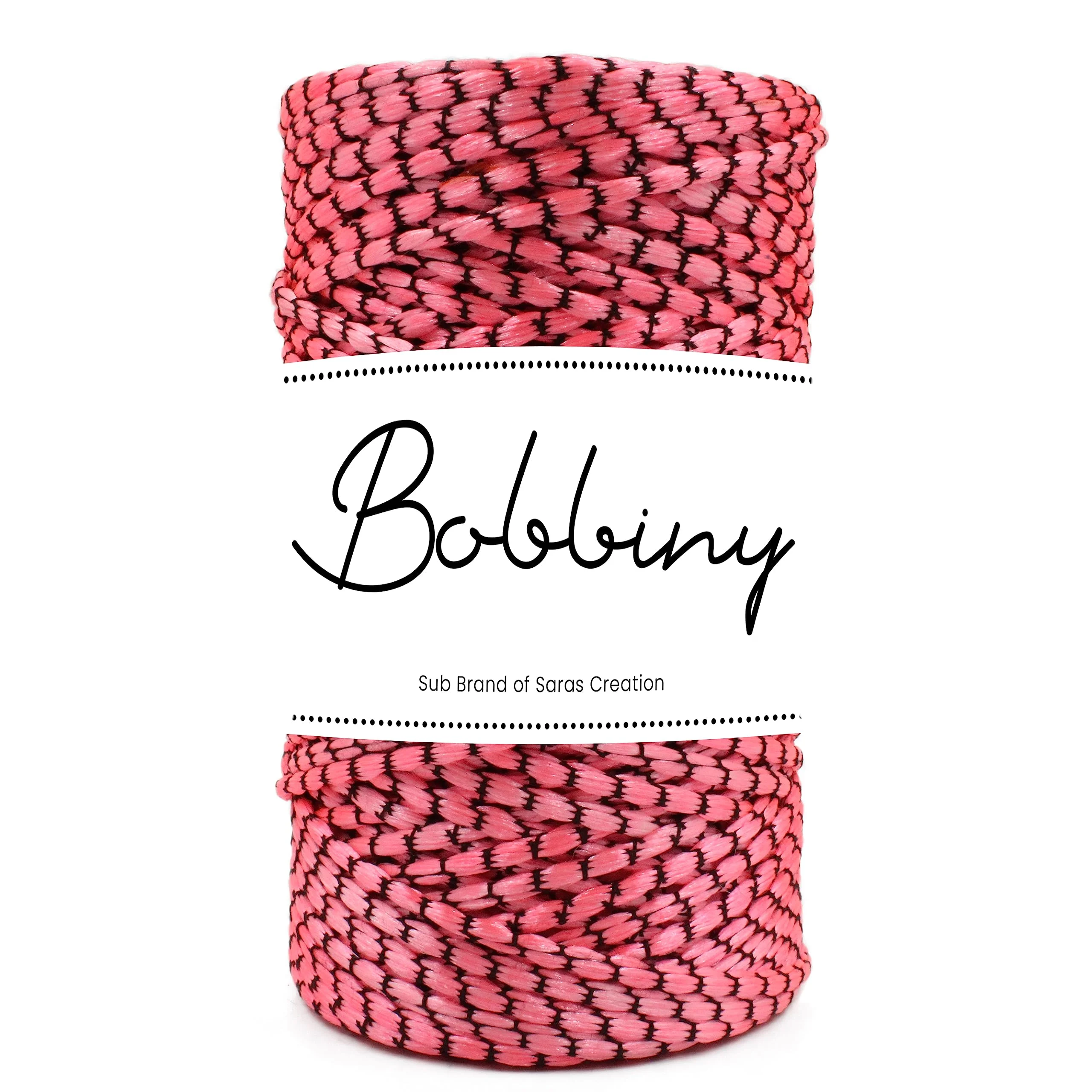
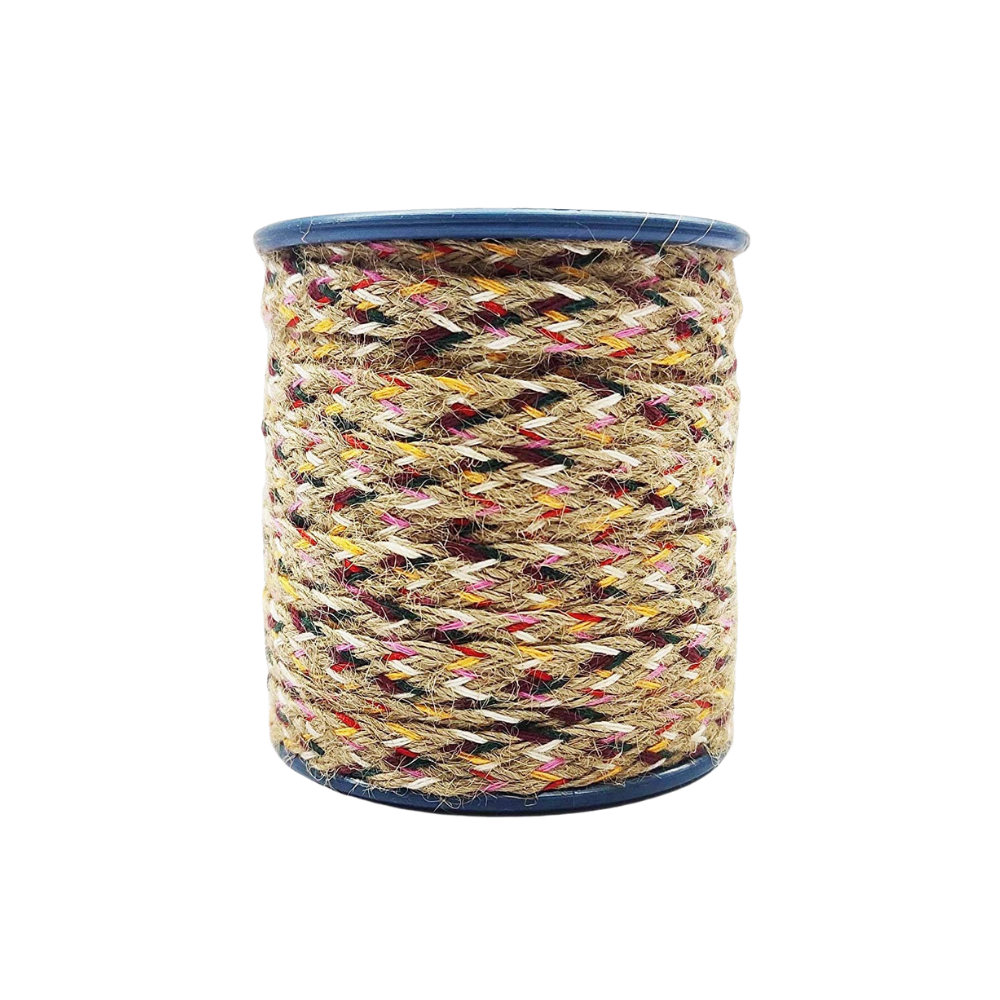
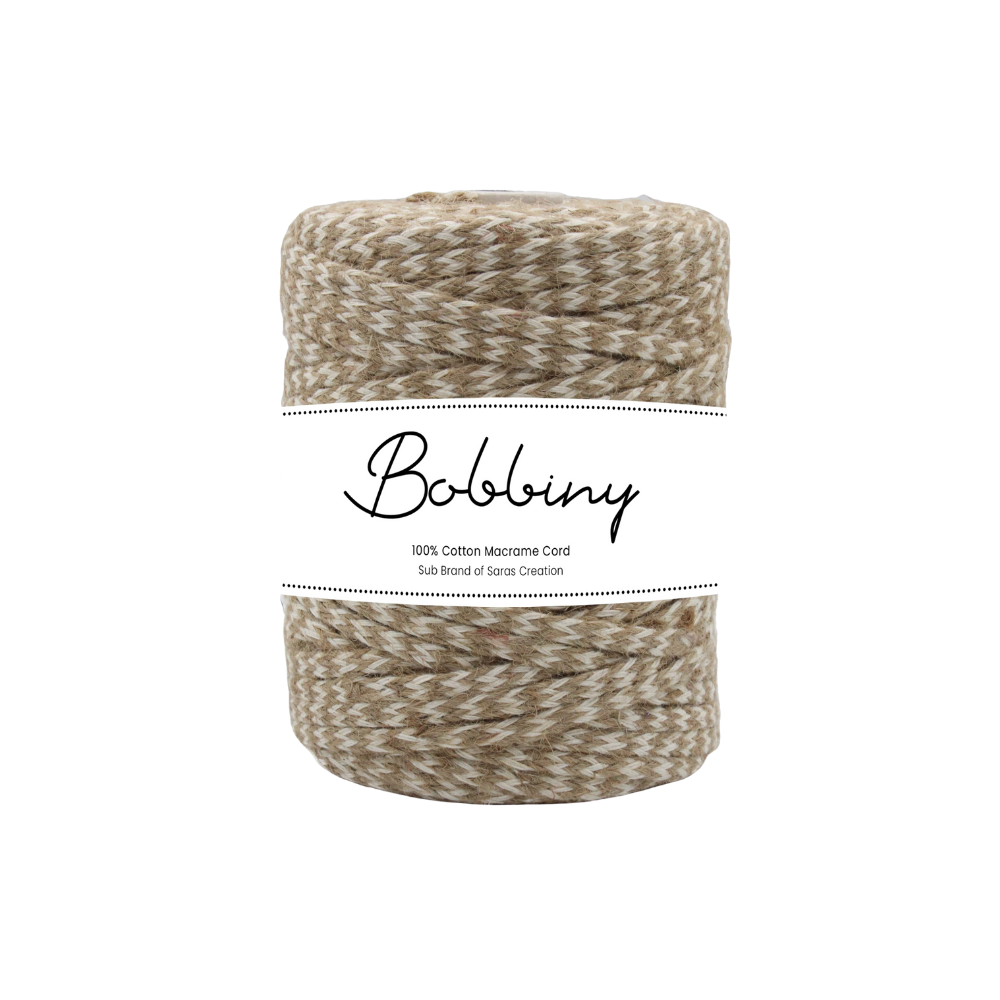
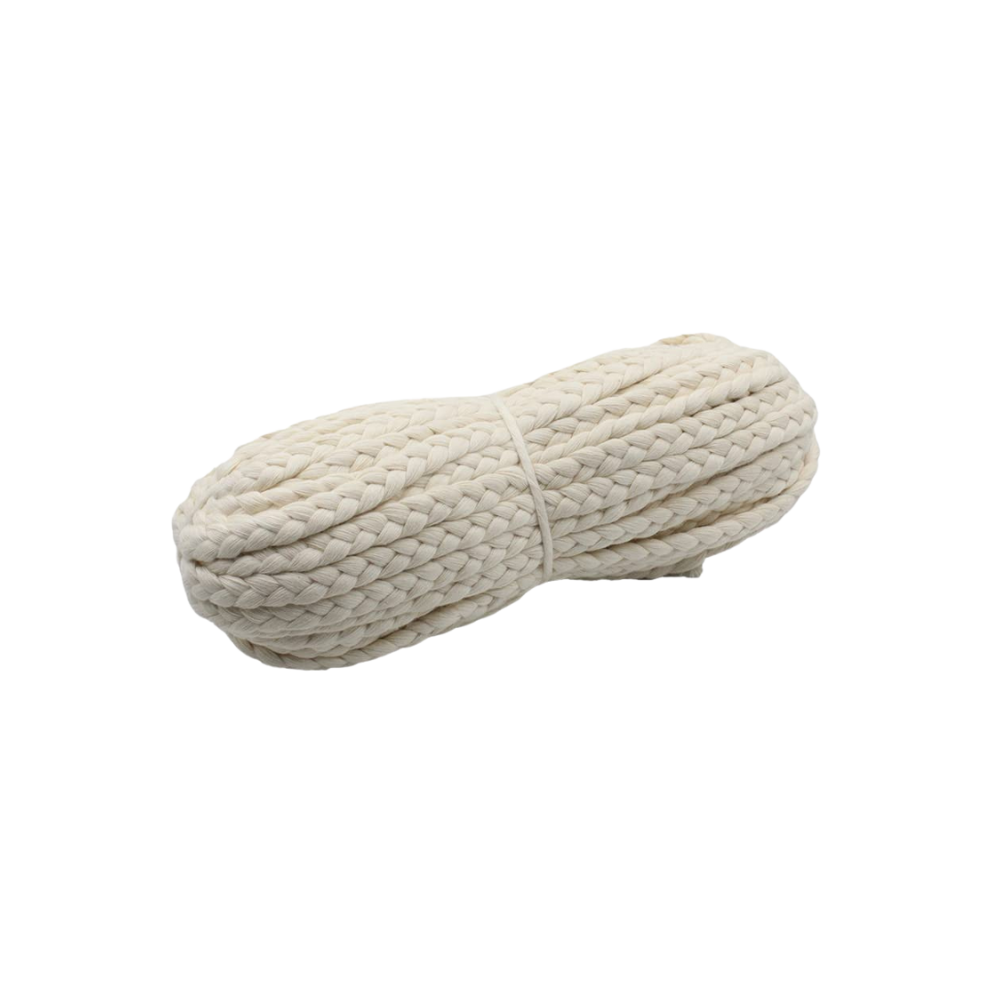
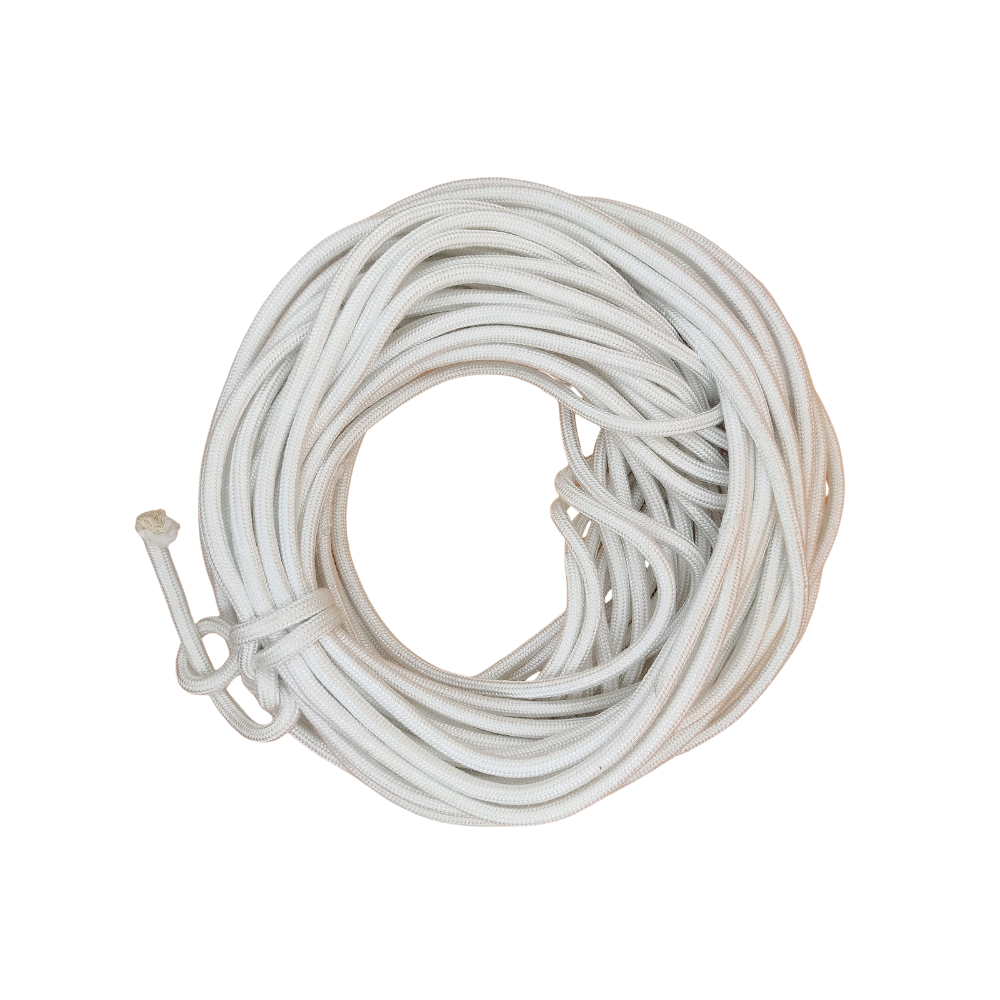
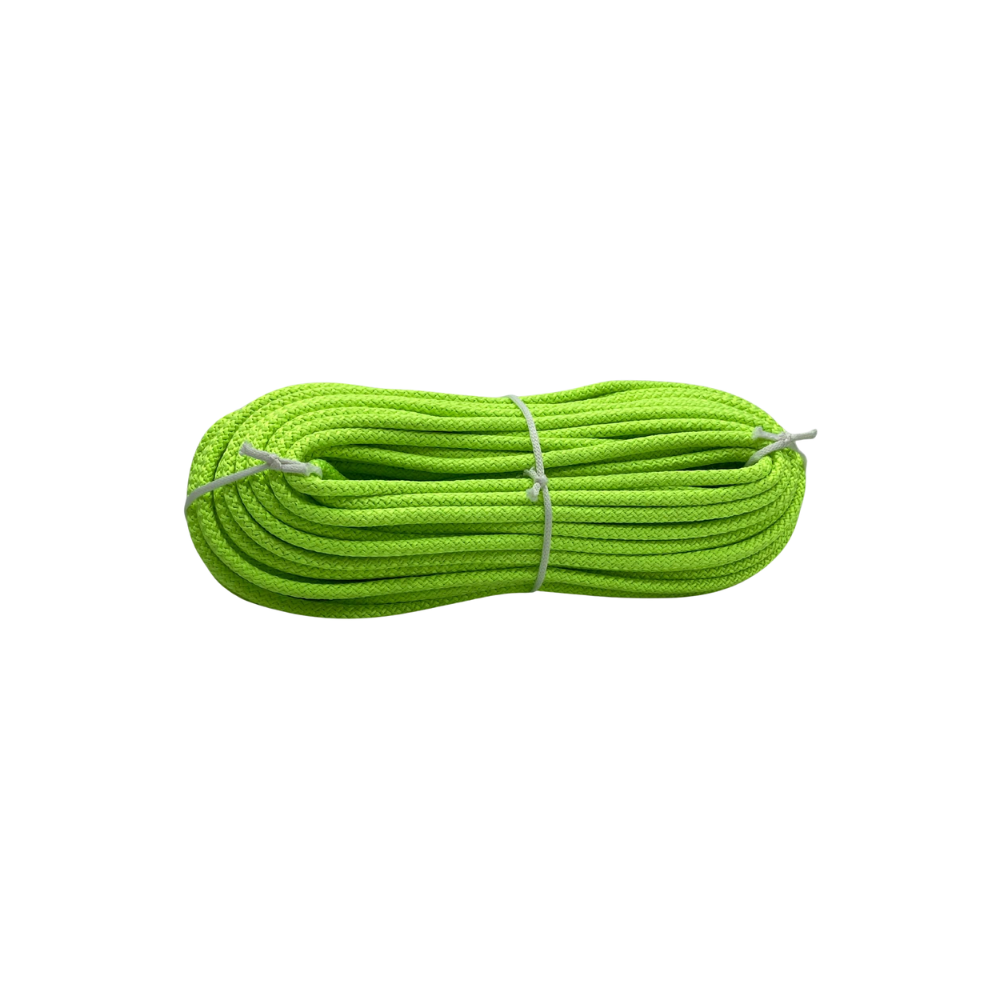
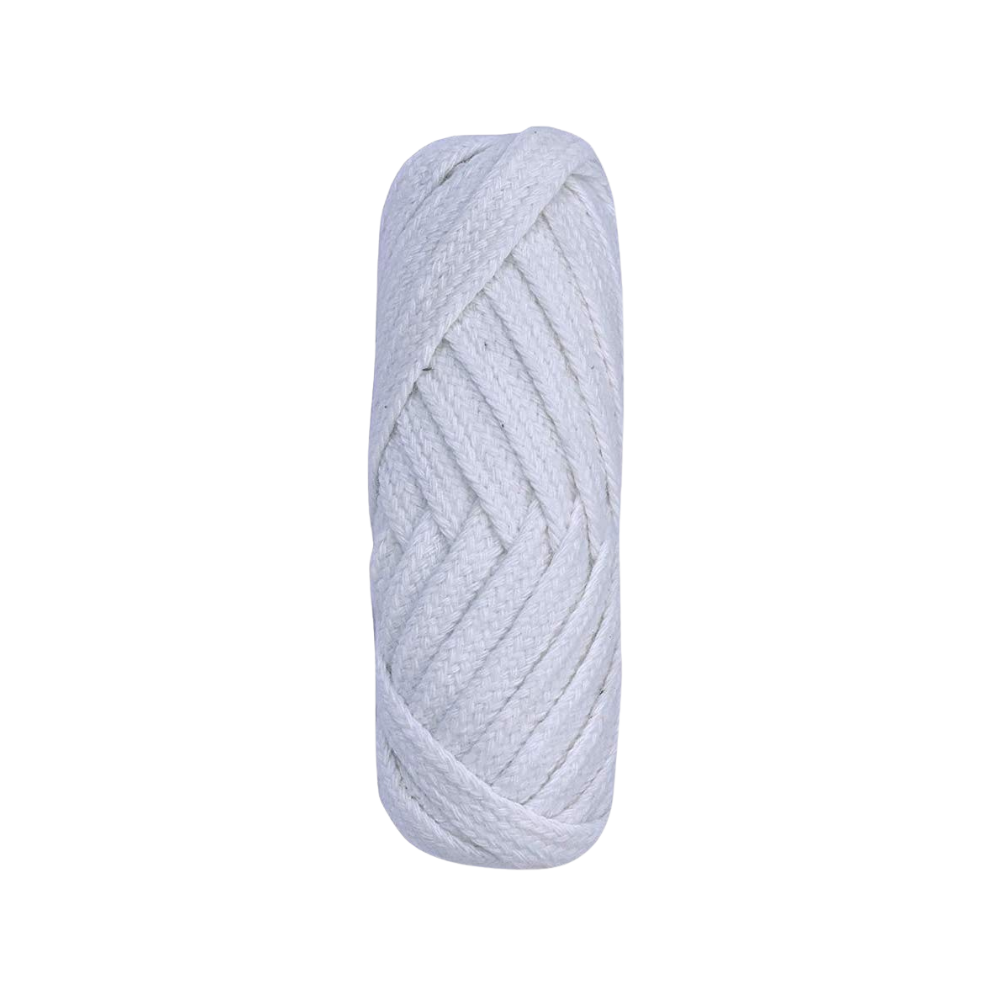
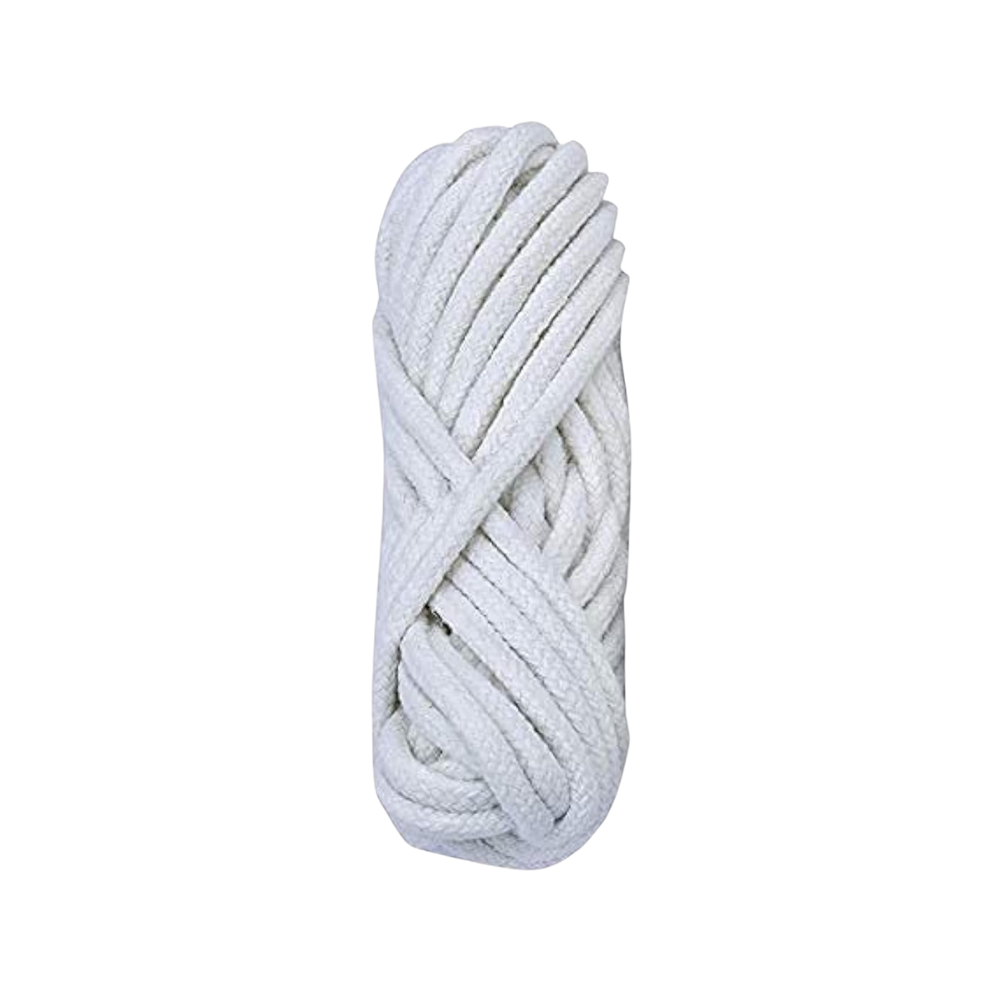
Braided macrame cord is woven from 8 to 10 fibers interlaced into a tight, tube-like structure. You won't see a spiral on the surface. What you get instead is a smooth, uniform look with no visible twist. And here's the part crafters love: cut it, and the end stays clean. No fraying, no taping, no prep. Just pick it up and start knotting.
Strength is where braided cords win clearly. That interlaced build gives it far more tensile strength than twisted or single strand cord. It handles repeated tension, doesn't stretch under load, and resists wear over time. Bags, baskets, swings, hammock chairs, anything people physically use or interact with, should be made with braided macrame cord. It's just safer and more durable.
Macrame knots sit flat and precise on braided cord, which makes it a good choice when clean lines matter more than a rustic texture. It also holds up well outdoors, especially when you go with polyester or polypropylene versions that aren't bothered by moisture.
What braided macrame cord can't do is fringe. You can't comb it out. Cut it, and you get a clean, finished end, but no soft cloud of fibers. If your design depends on fringe, braided cord isn't the answer. It's a structural cord, not a decorative one.
Best uses for braided macrame cord
Bags and market tote bags
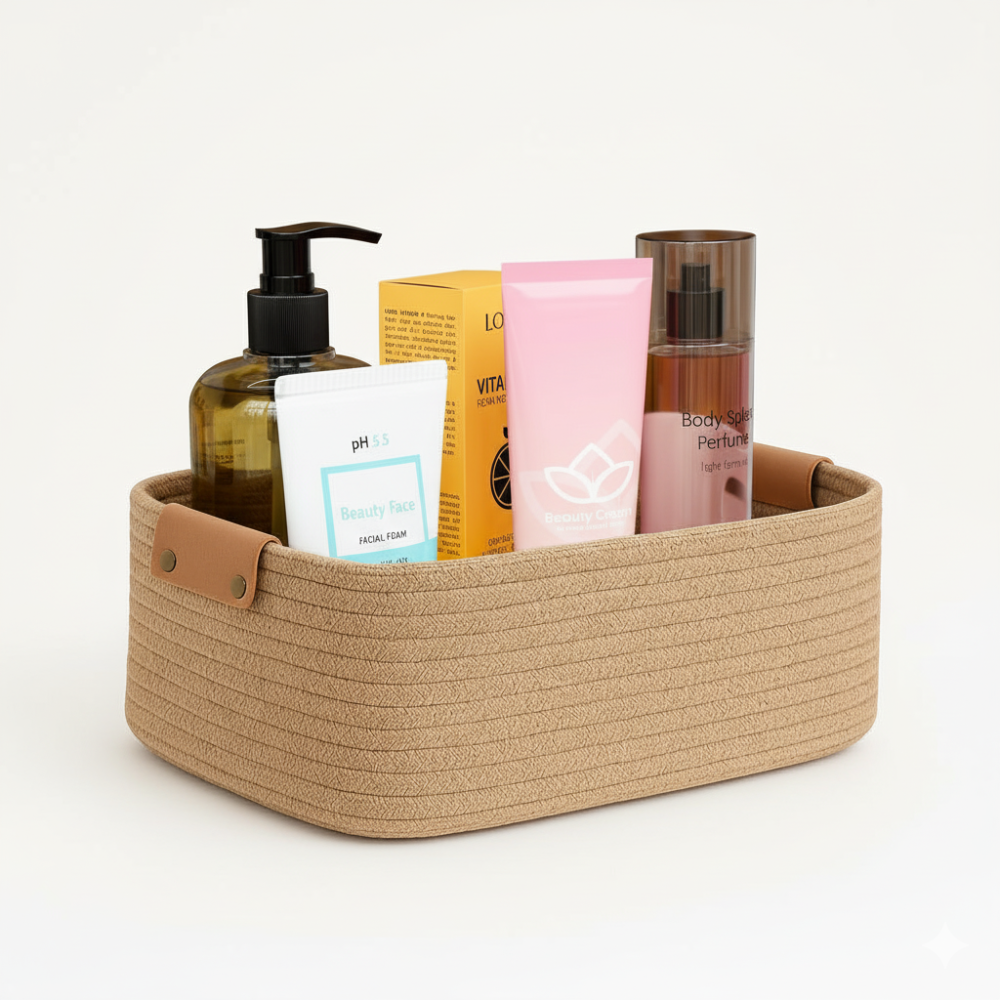
Macrame baskets and storage
Swings and hammock chairs (go with 4mm or 5mm minimum here)
Outdoor plant hangers and decorations
Curtains and functional home accessories where shape retention is important
Sizes available: 3mm to 6mm covers most applications. For seating like swings or chairs, 4mm or 5mm braided cotton or polyester blend is the one you want.
Twisted Cord vs Braided Cord vs Single Strand Cord
| Feature | Single Strand | Twisted (3-Ply) | Braided |
| Construction | One loosely twisted rope | 3 strands wound together | 8-10 fibers interlaced |
| Strength | Low to medium | Medium to high | Highest |
| Fringe behavior | Soft, straight, brushable | Wavy, textured when unraveled | Cannot be fringed |
| Fraying when cut | Yes, needs sealing | Moderate | No, clean cut |
| Knot definition | Soft, rounded | Defined, visible texture | Clean, flat, precise |
| Best for | Wall hangings, decor, fringe | Plant hangers, rustic pieces | Bags, baskets, outdoor use |
| Beginner-friendly | Very | Yes | Yes, but stiffer to work with |
| Common sizes | 1mm to 5mm | 3mm to 8mm | 3mm to 6mm |
How to Actually Choose the Right Cord
Forget the terminology for a moment and start with the finished project.
If you're making a macrame wall hanging with soft fringe, choose single strand cord.
If you're making a macrame plant hanger, choose 3-ply twisted cord.
If you're making a basket, bag, swing or something that will carry weight regularly, choose braided cord.
That's the decision process most experienced makers use.
Then choose your thickness:
1mm-2mm: Jewellery, bracelets, earrings, keychains, and fine detail work
3mm-4mm: Most wall hangings, plant hangers and home decor projects
5mm-6mm: Large wall art, baskets, and chunky statement pieces
8mm-10mm: Rugs, furniture projects, and oversized installations
If you're buying your first spool and genuinely don't know where to start, a 3mm or 4mm cotton cord is usually the safest option. Those sizes are forgiving, widely used in tutorials and suitable for most beginner projects.
One More Thing: Getting the Size Right
Cord thickness trips up a lot of beginners, and it's worth spending a minute on. Use cord that's too thin for a large wall hanging and the knots look sparse and lost. Use cord that's too thick for a jewelry piece and it becomes stiff and unwearable. The cord type is only half the decision.
A common trap is buying based on photos. A project shot with 5mm cord in good natural light looks dramatically different from the same pattern made with 2mm cord. Always read the thickness in the product description, not just the product name or the image.
Explore the macrame cord thickness guide to easily get started. If you're not sure where to start for a home decor piece, 3mm or 4mm single strand cotton cord is the safest bet. It ties cleanly, photographs beautifully, and that fringe brushes out without a fight.
Which Cord Type Do Most Crafters End Up Using?
Single strand gets the most attention on Pinterest because fluffy fringe photographs beautifully.
Braided macrame cord gets chosen when durability is important.
But for everyday macrame, 3-ply twisted cord often ends up in the middle. It offers enough structure for plant hangers, enough texture for decorative work and enough flexibility for beginners.
If you're building a small collection rather than buying for one specific project, 3-ply twisted cord is usually the most versatile place to start.
Frequently Asked Questions
What is the difference between twisted and braided macrame cord?
Twisted cord spirals multiple strands together, which gives it a textured, rustic surface and produces wavy fringe when you unravel the ends. Braided cord interlaces 8 to 10 fibers into a tight tube. It's smoother, stronger, and won't unravel when cut. For anything load-bearing, braided cord is the better pick.
Which macrame cord is best for beginners?
Single strand cotton cord in 3mm or 4mm is where most beginners do best. It's soft on the hands, knots without resistance, and brushes into fringe without any special tools. Once you're comfortable with the basics, 3-ply twisted cord is a good next step.
Can you use twisted cord for plant hangers?
Yes. 3-ply twisted cord handles most plant hangers without any problem. For heavier pots, 4mm or 5mm braided cord is the safer choice because the interlaced build handles sustained tension better over time.
What size macrame cord should I use?
For jewelry and fine detail work, go with micro macrame cords (1mm to 2mm macrame cords). For most wall hangings and home decor, 3mm to 4mm is your sweet spot. For large-scale pieces, rugs, baskets, and weight-bearing projects, 5mm and above. If you genuinely have no idea, start with 3mm or 4mm.
What is single strand macrame cord used for?
Mostly wall hangings, dreamcatchers, boho decor, and anything where soft brushed fringe is central to the look. It knots cleanly and creates those flowing, feathery textures that braided and twisted cords just can't do.
Is cotton or jute cord better for macrame?
Cotton is softer and far more comfortable to work with for long sessions, which makes it the default choice for most indoor decorative projects. Jute cord is coarser and stiffer, which gives it that natural, earthy look better suited to rustic or outdoor use. For beginners especially, cotton is more forgiving.
Final Words
Once you understand how each cord is built, choosing the right one stops being confusing. Single strand for softness and fringe. Twisted for structure and texture. Braided for strength and durability. Get that part right, pick a thickness that suits your project scale, and the rest will follow.
Browse the full range of macrame cords at Macrame.co.in, with single strand, 3-ply twisted, and braided options across all sizes, available in bulk with delivery across India.
Last updated: June, 2026
Written by the Macrame.co.in team, Saras Creations. We have been manufacturing macrame cord in Jaipur since 1990. Trusted by 500,000+ crafters across India and globally.
Join 500,000+ Crafters - Get 10% OFF Your First Order
Subscribe for new arrivals, DIY tutorials, and exclusive discounts.