
Most "what is macramé" guides spend 800 words on Arabic word origins and 1970s nostalgia before telling you anything useful. This one doesn't. You'll learn what macramé actually is, what you need, what it costs, and whether it's worth your time.
Quick Answer
What it is: Textile art made from hand-tied knots. No needles, no loom, no machines.
What you need: Cord, scissors, and something to hang the cord from. That's it.
Time to your first finished piece: Most beginners finish a small project within their first 2-hour sitting.
Hardest part: Measuring cord lengths correctly. Making knots is a bit easier.
What is Macramé, exactly?
Macramé is a textile craft that uses hand-tied knots to make patterns from cord, rope, or twine. You don't need a loom, needles, or a sewing machine. You just need a cord and your hands.
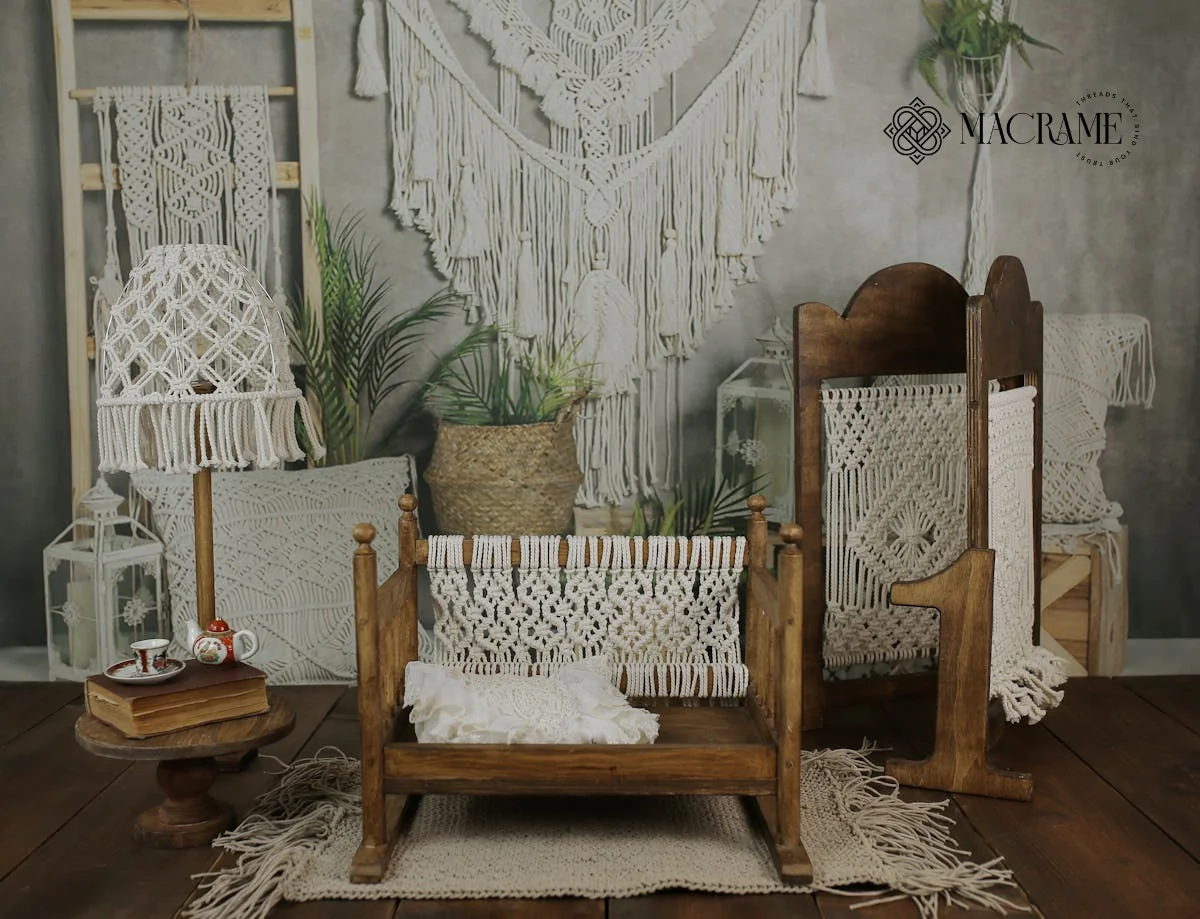
The whole craft sits on top of three or four basic knots. Once you know those, you can make almost anything you see online. Plant hangers, DIY macrame wall hangings, keychains, bag straps, jewelry, curtains, and even lampshades. The pattern changes, but the underlying knots usually don't.
It's closer to braiding friendship bracelets than it is to knitting. If you tied bracelets as a kid, you already know the muscle memory.
What it's not
Macramé is not weaving. Weaving interlaces threads at 90 degrees on a loom. Macramé ties knots by hand without any loom at all.
It's not knitting either. Knitting builds fabric by looping yarn through other loops with needles. Macramé doesn't loop. It knots.
It's not crochet. Crochet uses a hook to pull yarn through other loops. Macramé uses your fingers and gravity.
History of Macrame
The word comes from the Arabic miqramah, meaning fringe or ornamental veil. Thirteenth-century Arab weavers used knots to finish the loose ends of woven cloth. The technique spread through Spain after the Moorish conquest, then through Europe via sailors who tied knots to pass the time at sea.
It peaked in Victorian parlors, again in the 1970s, and once more in the late 2010s thanks to Pinterest and boho interior trends. Today's macramé is mostly decorative and, to an extent, functional.
Why Macrame Became So Popular Again?
Macrame has experienced a huge revival in recent decades due to these reasons:
Macrame art is beginner-friendly. You can learn the core knots in a single afternoon and start making small projects immediately.
As compared to other crafts, macrame art is relatively cheaper to begin.
Macrame is more than just a craft. The repetitive knotting feels relaxing and almost therapeutic after a while. This is the reason people stick with it long term.
You can create impressive designs even with simple square macrame knots.
The rise of handmade and natural home décor pushed macramé back into mainstream interior design. As boho, minimalist, and organic décor styles became more popular, macramé wall hangings, plant hangers, and fiber art started appearing everywhere again.
What You Need to Start Macramé?
Three things. Cord, something to hang it from, and scissors. Everything else is optional.
Macrame Cord
This is the single decision that makes or breaks your first project. Skip everything else and get this right.
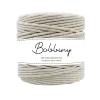
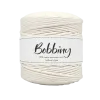
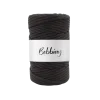
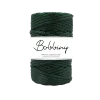
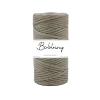
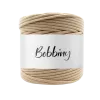
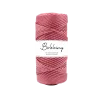
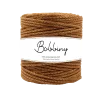
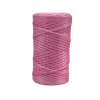
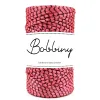
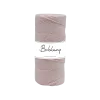
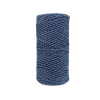
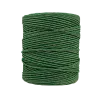
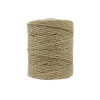
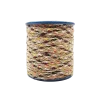
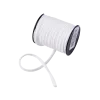
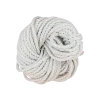
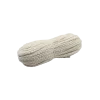
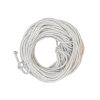
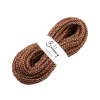
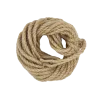
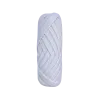
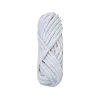
Cotton macrame cord is the standard. It's soft, holds knots well, and looks good. Three types of cords to choose from:
Single-strand cord (one strand twisted on itself): Unravels into a brushable fringe. Brings stunning look to the project.
Three-ply cord (three twisted strands): Doesn't fringe but holds knot definition well. Most forgiving for beginners.
Braided cotton cord: Smooth, strong, no fringe possible. Use for jewelry, not wall hangings.
Cord thickness in millimeters tells you what it's for:
| Cord size | Best for | Why |
| 1 mm to 2 mm | Bracelets, necklaces, earrings | Fine enough for small, detailed knots |
| 3 mm | Coasters, keychains, small wall hangings, plant hangers, curtain tiebacks. | Balances knot detail and visibility, making it versatile for most beginner macrame projects |
| 4 mm to 5 mm | Beginner wall hangings, tote bags, placemats, table runners, larger plant hangers | Thicker cord makes knots easier to see and handle |
| 6 mm to 8 mm | Large statement wall hangings, curtain rods | Bold knot definition at distance |
| 9 mm+ | Furniture, room dividers, outdoor pieces | Structural strength |
If you're buying once and don't know yet, get 3 mm macrame cord or 4 mm single-twist cotton cord. It handles almost every project a beginner will attempt.
One bundle of 100 meters is enough for two or three small projects. Browse cord by size and color.
Something to hang your cord from
This is called the mounting base. Options include:
Wooden dowel: 20cm to 60cm long. Most common. Sand it smooth before use.
Driftwood or branch: Natural look. Avoid anything with bark that sheds.
Metal ring: For circular wall art and dream catchers.
Repurposed broom handle: Works fine for practice.
You'll also need something to hold the dowel while you work. A clothes rail, a curtain rod, two cup hooks screwed into a wall, or even a doorframe with command hooks. Working at chest height is comfortable. Working hunched over a table is not.
Scissors
Sharp fabric scissors. Not kitchen scissors, not craft scissors. The first time you cut 6 mm cord with dull blades, you'll understand why this matters. Cotton frays badly when crushed instead of cut.
Optional but useful
Measuring tape: Mandatory if you're not eyeballing.
Comb or pet brush: For brushing out fringe at the end. A cheap dog brush works.
S-hooks or carabiners: For attaching the dowel to your work surface.
Cord-end glue or fabric stiffener: Stops fraying on cut ends.
The Three Knots You Actually Need
You can make 90% of beginner projects with three macrame knots. Don't learn more until these feel automatic.
Lark's Head Knot

This is the knot that attaches your cord to the dowel.
Fold the cord in half, place the loop over the dowel, then pull the loose ends through the loop and tighten. That’s it. You’ll do this once for each cord at the start, then barely think about it again.
Square Knot

The square knot does most of the heavy lifting in macramé. Here is how to make square knot macrame:
You work with four cords:
The two outer cords are the “working” cords
The two middle cords stay still as the “filler” cords
Cross the left working cord over the filler cords, then bring the right cord over the left and through the loop. Reverse the process from the other side to complete the knot.
Once you get the rhythm down, you’ll notice that a huge percentage of wall hangings are just variations of square knots.
Double Half Hitch Knot

This knot creates the clean diagonal or horizontal lines you see in patterns.
One cord acts as the holding cord while another wraps around it twice. Repeat that across multiple cords and the knots form a defined line.
This is usually the point where beginners get frustrated a little. The technique itself isn’t hard, keeping even tension is the tricky part.
How Much Macrame Cord Do You Need?
Choosing the right macramé cord length is where most beginners go wrong.
Macramé uses far more cord than people expect. Even a simple wall hanging can consume 100-300 meters of cord depending on the pattern and fringe length.
One of the most common beginner mistakes is running out of cord halfway through a project.
A good rule of thumb is to cut each cord about 4 times the final project length.
Before cutting, remember:
The cord folds in half when mounted,
knots consume a lot of length,
And fringe needs extra material too.
When in doubt, always cut extra. Leftover cord is much better than redoing half a project because one strand came up short.
How to Macrame: Start Your First Project

Pick a small project. Practice the knots before you start. Cut more cord than you think you need.
Pick a project under 2 hours. A plant hanger or keychain. Save the big wall hanging for piece three or four.
Practice each knot 10 to 15 times. Use scrap cord. Tie until you can do it without thinking.
Measure and cut. Cut each cord four times your finished project length. When folded with a lark's head knot, you'll have two working strands at twice the project length. Cut one or two spare cords. Always.
Mount the dowel at chest height. Attach each cord with a lark's head knot. Space them evenly.
Tie the pattern. Check tension every 10 knots. Uneven tension is the single most common beginner flaw. Trim the fringe at the end, never partway through.
Your first piece won't look like the pattern photo. The second will be closer. The third usually looks like the pattern. That's normal.
What Macramé isn't Great for
Most guides skip this. Here's the honest version.
Macramé takes more cord than you'd guess. A medium wall hanging can easily require 300+ meters, so material costs can add up quickly on larger projects.
Cotton macramé cord is best for indoor use. Sun and rain can quickly fade and weaken it. For outdoor plant hangers, polypropylene or jute holds up better, though both are a bit tougher on your hands to work with.
Mistakes mean unknotting. Unlike knitting, you can't easily "rip" a row out. Catching errors three hours into a project means undoing three hours of work, knot by knot. Build the habit of checking your work after every section.
It's hard on your shoulders. Working at the wrong height for a full afternoon will leave your neck and shoulders sore. A standing setup with the dowel at chest height fixes this.
It's slower than it looks on Instagram. A "quick" wall hanging on a Instagram reel was probably 8 hours of work compressed into a 30-second video.
Is Macramé Right for You?
Macramé art suits you if you:
Like repetitive, hands-on work that you can do in front of a screen
Want a hobby with cheap startup costs
Enjoy visible progress from each session
Don't mind redoing work occasionally
It's probably not for you if you:
Have wrist or shoulder issues that make sustained tying painful
Need instant results and hate sitting with one task for an hour
Want a craft that produces useful items only (most macramé is decorative)
Frequently Asked Questions
- Is macramé hard to learn?
No. Macramé uses three to five basic knots, and most beginners tie a simple plant hanger or keychain within their first week. The hands-on rhythm clicks fast once you've practiced each knot 10 to 15 times. The hard part is patience with cord length math, not the knots themselves.
2. Is Macrame expensive to start?
Absolutely not. All you need is a good quality cord, scissors, measuring tape, skilful hands, and a heart full of inspiration. You can complete most small projects with a little budget.
3. How long does it take to make a macramé project?
It depends on your skill in tying knots. A small keychain takes 20 to 40 minutes. A basic plant hanger takes 1 to 2 hours. A medium wall hanging takes 4 to 8 hours, often spread over a few sittings. Your first attempt usually takes twice as long as the pattern says.
4. What cord size should a beginner buy?
Start with a 3 mm or 4 mm single-strand cotton cord. It's thick enough that your knots show clearly, soft enough to untie when you make mistakes, and it works for almost every common beginner project, including plant hangers, small DIY macrame wall hangings, and keychains.
5. How much cord do I need for a macramé project?
A general rule is to cut each cord four times the finished project length, then double it when you fold it over a dowel with a lark's head knot. So an 80cm wall hanging needs cords cut at roughly 320cm, doubled to 160cm of working length per strand. Always cut extra. Running short mid-project is the most common beginner mistake.
6. What is the difference between macramé and weaving?
Weaving interlaces two sets of threads at right angles on a loom. Macramé ties knots by hand without a loom. Weaving needs equipment and creates flat fabric. Macramé needs only cord, scissors, and something to hang from, and creates textured, knot-defined patterns.
7. Does macramé cord come undone over time?
Properly tied square knots and double half hitches stay locked indefinitely under normal indoor use. Cotton macramé cord wears down outdoors from sun and moisture, so polypropylene or jute cord is a better choice for outdoors. To stop cord ends from fraying, wrap them, glue the ends or, or melt synthetic fiber tips with heat.
What to Do Next
Get 3 mm cotton cord, a sanded dowel, and one beginner pattern. Set up a working spot at chest height. Practice these three knots. Then tie your first project today. Your first piece may not turn out to be Pinterest-perfect. But your third project will be. Comment down your macrame art experience today. Share your best macrame designs with us by tagging Saras Creations on Instagram.
Last updated: May 2026
Written by the Macrame.co.in team, Saras Creations. We have been manufacturing macrame cord in Jaipur since 1990. Trusted by 500,000+ crafters across India and globally.